Posted in acceptable use, digital devices and gadgets, digital parenting, family conversations, home computer security, online security, parents and technology

4 Basic Rules to Secure the Computers in Your Household

FBI Bunny helps me teach my students about digital citizenship and security.

Brian Krebs, over at the blog Krebs on Security, has posted 3 Basic Rules for Online Security.  From his perspective, and I agree, just about everything can be distilled into these three guidelines. To read the more detailed explanations, head on over to his post. Keep these three rules in mind, day in and day out, as you work on your computer and your kids work on their devices.

  1. If you didn’t go looking for it, don’t install it
  2. If you installed it, update it.
  3. If you no longer need it, remove it.

For those of us who wish we possessed a bit more of the “geekiness” factor (a term I use affectionately), these three rules, especially numbers one and two, should be household digital policy. While Krebs’ three precepts are broad, they will, if followed, prevent lots of computer trouble.

I will add a fourth rule for families. Digital parents, not their digital children, should administer the computers in a household, at least until a child has demonstrated a fair understanding about potential security problems. In my household, this included the ability to explain the basics of avoiding virus, spyware, malware, digital citizenship and digital footprint issues (also see rules one and two) and the ability to appreciate potential consequences. A child can learn a lot while administering a computer, however, before taking on the task, he or she needs to possess a strong sense of responsibility and the knowledge of what can go wrong.

Krebs is a journalist, formerly of the Washington Post, who writes on security issues.

Posted in Bookmark It!, digital citizenship, digital parenting, online safety, online security, parents and technology, resources to read

FTC Net Cetera and OnGuard Online Family Website – Bookmark It!

Visit OnGuard Online

Are you searching for reliable tutorials to help you learn more about managing digital-age parenting topics? Check out the short book Net Cetera: Chatting With Kids About Being Online. Simple, straightforward, and easy to read, this publication covers most of the relevant digital topics, and its comprehensive table of contents is a ready-to-use outline that can help to guide virtual world family conversations. Net Cetera, published by the Federal Trade Commission (FTC), is also available as a PDF download. Moreover, the booklet can be ordered in quantity for a PTA, book club, church activity or other parent group.

The FTC website, OnGuard Online, which features Net Cetera, is also a repository of information that can help parents to address concerns with their digital children. Each subject is covered with three sections, starting with a review of the “Quick Facts.” A more detailed explanation follows with a section of links that connect to additional online resources.

Topics include:

  • Kids Privacy
  • Computer Disposal
  • Identity Theft
  • Scams
  • Social Networking
Visit OnGuard Online


This site, and especially the Net Cetera booklet, is useful for everyone in a family, including grandparents or other seniors.  The type can be adjusted so that it is larger, and many of the topics covered provide information that is critical for aging family members to understand, and perhaps grandchildren can help do some of the teachings.

Posted in answers to media questions, cultural changes, digital parenting, parents and technology, social media, social media friends, technology changes

Why Social Media? Especially Why in My Child’s Classroom??

Read this thought-provoking post, Why Social Media Tools Have a Place in the Classroom, over at the GigaOM blog. Writer Ryan Kim goes into considerable detail describing reactions to a recent New York Times article, Speaking Up in Class, Silently, Using Social Media. Kim’s blog post then goes on to offer some compelling reasons why teachers (and probably parents, too) should examine social media more thoughtfully before rushing to judgement.

Learn a bit more about the GigaOM blog.

Posted in digital parenting, digital world reading habits, electronic reading, parents and technology

Kids and Reading: Widening Digital Opportunities

Check out the app!

Recently NPR reporter, Lynn Neary, broadcast a report, Children’s Book Apps: A New World of Learning.  You can also listen to the story.

In her March 28, 2011 radio report, Neary describes the increasing number of children’s books that are available as apps, useable on smartphones and especially on iPads. These applications make reading children’s books into a multimedia experience.

Some added features of these digital books include:

  • Words that highlight as the story is read.
  • Object words that are spelled when a child taps an image.
  • Activities that relate to the story.

While many parents and teachers love these apps, some experts believe that the reading process is dramatically changed by the addition of other features.  One expert, a professor at Kansas State University, suggests that we need a new word to describe the enhanced reading that takes place in the app storybook environment, but he is hesitant to label these interactions as pure reading. Continue reading “Kids and Reading: Widening Digital Opportunities”

Posted in digital parenting, grandparents, parents and technology, social media friends, social networking

Kids, Tech, Social Media, and Grandparents!

Read about my daughter and her grandmother on Facebook.

Great article in the Wall Street Journal about kids and grandparents and the ways they are communicating with one another. In her May 9, 2001 article, OMG! My Grandparents R My BFF!, reporter Molly Baker takes readers on a “magical mystery tour” highlighting the ways generations are interacting (and sometimes leaving out the generation in the middle).

Last August I wrote about this digital family experience in a post, Yes! Grandma is on Facebookon my other blog, As Our Parents Age. Below is an excerpt of a post about my daughter and her grandmother.

Join Facebook?  For three years I avoided the site. I knew that some of my friends from work, church, and other activities were joining, but I just did not feel like it was a fit. My daughter, then in graduate school, used the social networking site, and she occasionally suggested I get started with Facebook. Still I refrained.

Continue reading “Kids, Tech, Social Media, and Grandparents!”

Posted in acceptable use, American Academy of Pediatrics, cell phones, digital citizenship, digital devices and gadgets, digital parenting, digital photography, parents and technology

Evaluating websites: Be Sure of the Quality!

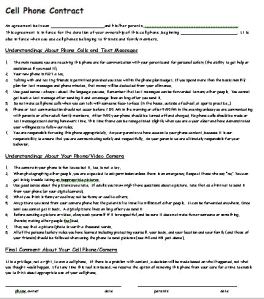
Download the phone contract PDF.

It’s May and every year at this time I work extensively with fifth graders on podcasts and other multimedia projects. Each year the students’ conversations drift toward their anticipation of sixth grade, middle school … and new cell phones. A connection exists, in their minds, between the first year of Middle School and getting the all-important digital accessory. Actually, the kids feel it’s an accessory, but their parents consider it a lifeline — something to keep them connected to their children whenever it’s necessary (and sometimes when it isn’t that necessary).

A good getting-started article to read is the New York Times piece When to Buy Your Child a Cell Phone, written by reporter Stephanie Olsen in June 2010. While quite a few children now have cell phones in sixth grade, a few parents prefer to wait to purchase a child’s phone for a year or so beyond the start of Middle School. Common Sense Media’s cell phone page provides lots of helpful information for parents, including a short video to assist with the decision-making process. The American Academy of Pediatrics (AAP) Healthy Children website also has an article, Cell Phones, What’s the Right Age?

Continue reading “Evaluating websites: Be Sure of the Quality!”

Posted in answers to media questions, family conversations, parents and technology, social media, social networking

Social Media, bin Laden and Student Reactions

Read this Spotlight Blog post.

Are you looking for an interesting overview of the surreal celebrations on Sunday night, May 1, 2011 after the announcement about the death of Osama bin Laden?  Check out this post on the MacArthur Foundation’s Spotlight on Digital Media and Learning blog.

The Rise of Social Media and the Death of Osama bin Laden: Students Debate the Meaning of it All includes quotes, links to various media coverage, social media communication and helpful resources that shed some light on the spontaneous and unusually celebratory events that occurred around the United States.

A link to the NPR story on the celebrations takes readers to one of the most interesting comments, for me anyway. Part of one comment is below.

Mr. ADAM EVAN ANGLE (Student, Boston University): So I grew up under the specter of Osama bin Laden as the boogeyman. He was our Lord Vuldemort, if you will, like in Harry Potter, you know. He was pretty much the face of evil.

As a teacher and parent who lived through years with the Harry Potter phenomenon, I can completely understand this comment.

Continue reading “Social Media, bin Laden and Student Reactions”