Common Sense Media has, for years, posted this excellent image-sharing resource, and it’s as timely today as it was when it was first published. The infographic posits a series of questions for 21st Century middle and high school kids to consider before deciding to share a photo on a digital device.
The questions probably take less than a minute to think about — time well spent if a digital child identifies certain potential consequences and decides not to share an image. Continue reading “To Share or Not to Share a Photo?”→
Click here to visit the Common Sense Media research page and sign in for a larger and higher quality image.
Check out the interesting new research just out from Common Sense Media about the issues and challenges when it comes to 21st Century digital kids and their mobile devices. The image depicts a range of statistics and device issues, collected via a poll of 1,200 parents and teens.
This infographic can be an excellent resource to use for family conversations about teens’ and children’s screen and digital device times (and adults’ times, too). It offers a range of information that can help parents discuss potential problems and concerns.
Click to check out the Common Sense Media research report’s infographic.
This past week I listened to New Research On Teens, Toddlers and Mobile Devices, an engaging radio program about digital parenting on The Diane Rehm Show (NPR). In early November 2015 Rehm featured four expert guests who thoughtfully examined the digital parenting issues that adults should consider when it comes to digital media and children. It was rebroadcast in December 2015.
A new year—with new devices and new considerations about rules and limitation—is a good time to listen to experts who can help adults think more carefully about how to define screen time and discuss the research (and the need for much more). This program can help adults guide children whose 21st Century lives are increasingly defined by digital activities. Continue reading “What to Do About Screen Time – A Diane Rehm Show Discussion”→
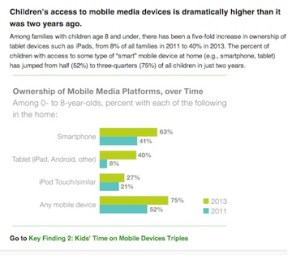
Common Sense Media has published a 2013 report on young children and their access and use of mobile media devices, Zero to Eight, Children’s Media Use in America 2013. The new research study aims to get a reading on how media use has changed since the organization completed and published its 2011 media and children study. Common Sense Media plans to redo this research biennially and publish the collected data.
The 2013 results are based on a nationally representative survey of parents with children under eight years of age. Researchers surveyed 1,463 parents utilizing the same methodology that was used in the 2011 survey and making sure that African-American and Latino representation was large enough to ensure statistically valid conclusions. To further ensure the reliability of the data, investigators provided devices and Internet access to survey participants when necessary.
Several of the Most Interesting 2013 Findings
The survey data indicate that almost twice as many children, eight years and younger now use mobile media when compared to the 2011 Common Sense Media results.
Television, DVD, and video game use on traditional screens is decreasing, but television still dominates.
Although access to mobile media for poor and underserved children has increased since the 2011 survey, a digital divide still exists.
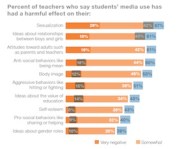
Technology reporter Matt Richtel shares information about two recent studies that examine, on the basis of educator surveys, how today’s digital children may be learning differently than in the past. Although individual responses are subjective, the results of the surveys “are considered significant because of the vantage points of teachers who spend hours a day observing students.”
It all comes down to attention span. In both surveys, teachers expressed concern that students, used to fast-paced, always changing activities, are less able to focus on an academic task for a prolonged period.
Yet again we are living through a horrible tragedy, this time in Aurora, Colorado, and this incident is extra frightening because the shooting and killing occurred as people went about normal activities in a movie theater. What’s more a part of kids’ daily lives than movie theaters?
Any connected child or adolescent can learn about this event and others via a digital device or television. In the digital world, the news cycle never stops, and most children do not possess the media literacy skills to evaluate the sources of information. The traditional walls that used to insulate kids from information about violent events just aren’t that thick anymore.
What are digital parents and teachers to do?
If you need support or at least some extra perspective before you initiate a parent-child conversation in your family, check out a video, Explaining the News to Our Kids, over at the Common Sense Media. This short presentation provides thoughtful suggestions that can help adults get started with difficult conversations about the news when scary and discomforting events occur.
As always, Common Sense Media hits the nail on the head with clear, well written, and to-the-point parenting information. I’ve inserted a list of the questions.
Pay special attention to the two questions that I’ve listed below:
How do I teach my kids to recognize online advertising?

 Common Sense Media has, for years, posted this excellent image-sharing resource, and it’s as timely today as it was when it was first published. The infographic posits a series of questions for 21st Century middle and high school kids to consider before deciding to share a photo on a digital device.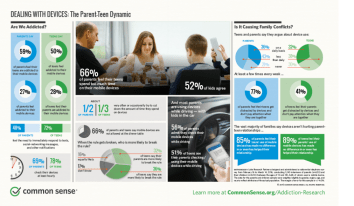


 Media! Tech! Parenting!
You must be logged in to post a comment.