
 Every day, it seems, we hear of another hack of credit cards or the theft of personal data from health records. It’s difficult to keep track of it all, much less protect passwords (are yours secure?), various accounts for home and work, personal information and so much more. Yet it’s not just hackers. Many legitimate companies collect and share personal data, and they do it without an individual’s consent. It seems like more and more companies are cavalier about the privacy of their customers.
Now Senator Edward J. Markey (D-Mass.) has introduced federal privacy legislation that aims to protect American consumers’ personal information by proposing a Privacy Bill of Rights. Senate Bill would establish a set of clear rules that specify how companies can use personal information and what they can and cannot do. The Federal Trade Commission (FTC) would have the authority to make and enforce rules.
Senator Markey’s press release clearly specifies what the Privacy Bill of Rights Act will do. The proposed policies would: Continue reading “Senator Edward J. Markey Proposes A Privacy Bill of Rights”

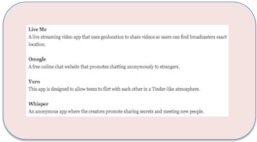

 Tonight I looked
  Essentially the parents asked one another how they were monitoring what their middle school children do on their laptops during homework time. All three adults sensed that while their kids were working on their homework they were also engaged with other apps (like social media!). When they inquired, their offspring always said they were doing school work. The parents weren’t so sure.
  Various types of digital devices and toys are now a given in the lives of many children — even toddlers and preschoolers. From three and four years of age, many of their play activities include a vast array of toys and books that talk, beep, sing, cue activity, and play music. Even two-year-olds quickly learn how to use digital devices — after all they are generally adept at figuring out cause and effect and how to operate buttons.
 Media! Tech! Parenting!
You must be logged in to post a comment.