
When my brother and I were growing up in the Midwest, my dad had a big sign — about one foot by two feet — with one word. MODERATION. The sign sat for years, somewhat incongruously, in our living room, so it was impossible to miss when we were watching television, reading, doing our homework, playing games, or entering and leaving the house. It was also perfectly placed for the times when my parents’ college students came over to the house for extra study help.
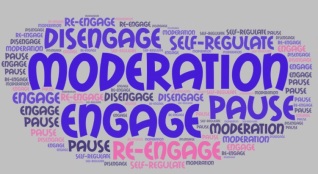 Dad’s goal was for us to think, as often as possible, about self-regulating and managing our daily activities, whether we were engaged in a favorite or a not-so-favorite endeavor.
In today’s hyper-connected world, understanding the importance of moderation is a critical skill. We all — adults and children — live fast-paced 21st-Century lives that center on the media and our digital devices. Thus everyone needs to know how to hit the pause button, disengage, and refocus attention elsewhere.
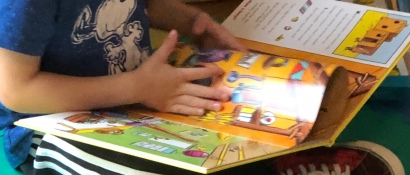 Are print books better for young learners and especially toddlers? Ask almost anyone in early child development and they will likely say yes, print books are so much better in so many ways. Many educational technology specialists — people like me who love learning with technology — will say the same thing. You can also read


 Summer 2017 is here, and as we enjoy family fun, outdoor activities, trips to museums and historical sites, vacations, and all sorts of camps and special programs, it’s also important to discover activities that will help 21st Century children use screen time creatively and wisely.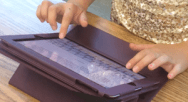

 Media! Tech! Parenting!
You must be logged in to post a comment.