Posted in acceptable use, American Academy of Pediatrics, cell phones, digital citizenship, digital devices and gadgets, digital parenting, digital photography, parents and technology

Evaluating websites: Be Sure of the Quality!

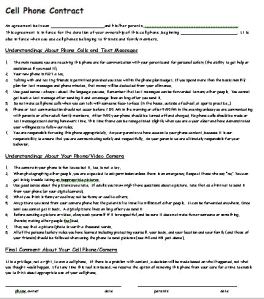
Download the phone contract PDF.

It’s May and every year at this time I work extensively with fifth graders on podcasts and other multimedia projects. Each year the students’ conversations drift toward their anticipation of sixth grade, middle school … and new cell phones. A connection exists, in their minds, between the first year of Middle School and getting the all-important digital accessory. Actually, the kids feel it’s an accessory, but their parents consider it a lifeline — something to keep them connected to their children whenever it’s necessary (and sometimes when it isn’t that necessary).

A good getting-started article to read is the New York Times piece When to Buy Your Child a Cell Phone, written by reporter Stephanie Olsen in June 2010. While quite a few children now have cell phones in sixth grade, a few parents prefer to wait to purchase a child’s phone for a year or so beyond the start of Middle School. Common Sense Media’s cell phone page provides lots of helpful information for parents, including a short video to assist with the decision-making process. The American Academy of Pediatrics (AAP) Healthy Children website also has an article, Cell Phones, What’s the Right Age?

Continue reading “Evaluating websites: Be Sure of the Quality!”

Posted in digital devices and gadgets, parent education, parents and technology, tech free time

4 Lessons for Parents in a Constantly Connected World

Every digital-age parent with a Blackberry or smartphone needs to read Four Lessons for Parents in a Constantly Connected World. This short article, by Mashable writer Soren Gordhamer, offers a few pointers for parents of digital kids. I’ve summarized each of the recommendations for below.

  • Learn about the games your child plays.
  • Put down digital gadgets and spend time with children (and not letting the gadgets interrupt the time).
  • Keep the gadgets our of the bedroom (for everyone).
  • Start sharing and collaborating on technology searches and projects (and resolve to learn more).

Two recent MediaTechParenting posts relate to this Mashable article.

Posted in digital citizenship, digital devices and gadgets, family conversations, parent child conversations, parents and technology, setting technology limits

7 Constructive Comments: Digital Kids to Parents

With more than 30 years in teaching including more than 20 in the educational technology field, I’ve heard many kids reflect thoughtfully, and not so thoughtfully, on their parents’ digital skills.

Here are the seven most common “I Wish” statements that I’ve heard expressed by children over the last 16 or 17 years. Two of them my daughter expressed directly to me.

Kids wish … Continue reading “7 Constructive Comments: Digital Kids to Parents”

Posted in acceptable use, Back-to-school digital reading, copyright, digital devices and gadgets, Evaluating Web Resources

3 Copyright Resources: Teaching Digital Kids to Respect Ownership

Visit Copyright for Kids!

The other day I chatted with a parent about the concept of copyright. Both of us are concerned that digital kids understand very little about intellectual property. The free-for-all digital information climate ensures that children have considerable difficulty comprehending what belongs to whom.

Copyright laws are arcane, and even a bit crazy, but it’s critical to teach kids that protecting the intellectual property of others is important. With your child take the Copyright Challenge quiz at Copyright for Kids to see how much you know. When you finish the quiz check out these frequently asked questions about copyright.

Two Other Resources

Posted in cultural changes, digital citizenship, digital devices and gadgets, family conversations, parents and technology

5 Tech-Free Times for Families

I am reading Sherry Turkle’s book, Alone Together: Why We Expect More from Technology and Less from Ourselves. Turkle is a professor at Massachusetts Institute of Technology. Last Friday she was Ira Flatow’s guest on the NPR’s Science Friday program. Professor Turkle explained how she interviewed more than 300 children and teens who described feeling immense frustration when their parents use technology gadgets at the same time they are supposed to be interacting with their kids.

The Alone Together author, quoted in a January 31, 2011 Washington Post article, AnyBody: Parents are Ignoring their Children for their BlackBerry, points out, “It’s now children who are complaining about their parents’ habits…” During the Science Friday interview Turkle identified five times when children want their parents to put away their phones, Blackberries, and other gadgets and to pay attention. They include: Continue reading “5 Tech-Free Times for Families”

Posted in acceptable use, cell phones, digital devices and gadgets, digital parenting, parent child conversations, parents and technology

Parents and Electronic Devices: Taking Time Out?

We’ve all seen them. Perhaps people have seen one of us. The temptation to use a phone or smart device,  no matter where we are or what we are doing — even when we are with our kids — is way, way too strong.

I keep seeing children being pushed around by people (parents?) on telephones.  Sometimes children are playing along in yards or parks, not watched over because the parents are tapping or merely talking on their smart phones. The trouble is, this used to be quality time – enjoyable and relaxed interaction — pointing out dogs, discovering leaves, and learning new words for all sorts of things.

Read Anybody: Parents are Ignoring their Children for their Blackberry in the February 1. 2011 Washington Post. Here’s a short quote, but check out the whole article. Continue reading “Parents and Electronic Devices: Taking Time Out?”

Posted in digital devices and gadgets, digital parenting, parents and technology, risky behavior, scams and fraud

Technology Scams: An Overview

In the digital era, parents need basic knowledge of online scams that have the potential to cause mayhem on a family’s digital devices

A quick and easy-to-read overview of potential online  scams, Social-Media Scams Abound but They Can be Avoided, appeared in the Washington Post on November 14, 2010.  The Kiplinger Personal Finance article, by Casey Mysliwy, goes over three types of malicious behaviors that can trip-up even the most savvy digital media users. If you missed this description of potential digital problems, take some time to read the article as well as share it with family members who computers, the web, or smart phones. The three potential scams are:

  1. Messages that involve money transfers and seek personal information;
  2. Applications that offer a quiz, game, or other method that encourage you to share personal details; and
  3. Shortened URL (web addresses) that hide a destination’s true identity because the address is simply a group of characters.

You can also check out 5 Social Media Scams at the Norton AntiVirus site and New Jersey Officials Warn Residents About Social Media Scams at the New Jersey Today website.