
After six or seven years of using a free email account, I decided to switch to one that I pay for, one that does not share my data or track what I do.

I made the decision after I looked at my Google purchase list that goes back for years. These notations include hotels, restaurants, transportation tickets, clothes, books and just about everything else that I bought online. Looking over the list, I observed that it was pretty easy to monitor the past few years of my life just by looking through my purchases. I had no privacy.
One of my friends said it best when he commented, “When something is free, you and your data are the product.” So that is when I decided to switch. I do not want to be the product. I am tired of serving as the product.
I looked at half-a-dozen different programs, all of which emphasize privacy and freedom from tracking, and I chose one that several people I know have used. Then I got out my credit card, paid for a year and — wonder of wonders — the charge did not show up on Google Purchases.
Since then I’ve spent time moving things over to my new email system. This includes just about everything that asks me to sign up with my email address and probably anything that relates to business.
I’m pleased!

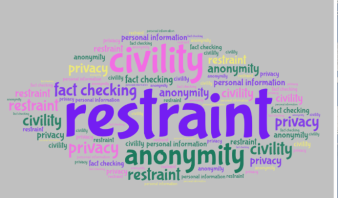 Personal Information
 It appears that Echo Dot records what children say, saves that personal information, and apparently, it’s still saved even after parents delete It. A group of child advocacy organizations has
  Every day, it seems, we hear of another hack of credit cards or the theft of personal data from health records. It’s difficult to keep track of it all, much less protect passwords (are yours secure?), various accounts for home and work, personal information and so much more. Yet it’s not just hackers. Many legitimate companies collect and share personal data, and they do it without an individual’s consent. It seems like more and more companies are cavalier about the privacy of their customers.
 Various types of digital devices and toys are now a given in the lives of many children — even toddlers and preschoolers. From three and four years of age, many of their play activities include a vast array of toys and books that talk, beep, sing, cue activity, and play music. Even two-year-olds quickly learn how to use digital devices — after all they are generally adept at figuring out cause and effect and how to operate buttons.
 Media! Tech! Parenting!
You must be logged in to post a comment.