Posted in acceptable use, digital citizenship, digital parenting, online safety, parents and technology

Facebook Safety Page – Bookmark It

According to a short article  in School Library Journal and a Facebook blog post, the world’s largest social networking site now has a new safety page as well as an advisory committee of well-known online safety organizations. Both articles offer Facebook users a detailed guided tour of the new site where teens, parents, and educators can go for up-to-date information.

Users can navigate to safety information in several ways. A Facebook safety page looks just like any Facebook page with useful links and a wall with a fairly lively conversation. This page will also post important documents, educational materials, and safety initiatives. Continue reading “Facebook Safety Page – Bookmark It”
Posted in acceptable use, digital citizenship, digital parenting, parent education, parents and technology, resources to read

Check Out Common Sense Media

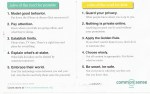
Common Sense Media, a not-for-profit advocacy organization designed for families, offers trustworthy information, media evaluations, and all sort of online tools to help  parents, kids, and educators become more sophisticated consumers. Think of Common Sense Media as an information portal rather than a mere website. Parents, no matter the age of children in the family, can consult the organization’s web  site for age appropriate information about movies, current media events, digital citizenship advice, and much more. A separate part of the website provides information for educators and schools. Common Sense Media is  non-partisan, and you can learn more at the Common Sense Media FAQ.

A few of the organizational core beliefs (others can be found at the website) include: Continue reading “Check Out Common Sense Media”

Posted in acceptable use, digital citizenship, media literacy, parent education, parents and technology

Eight Questions to Ask When Media is Manipulated

Digital media manipulators use and modify information in any way necessary to support their views. The truth, context, intention, and even a person’s reputation are irrelevant, as Mrs. Shirley Sherrod discovered this week. What do children learn during these media spectacles?

While it’s tempting to focus on the unprincipled young-adult blogger who posted the edited, out-of-context video, the more compelling issue is how it’s increasingly acceptable to use digital media to embarrass and publicly humiliate others. Although the victim can be in the national news, more often it’s a child on the other side of a classroom. Thus the task of initiating conversations to help children understand ethical digital behavior takes on greater urgency.

These questions aim to help a parent get started. Continue reading “Eight Questions to Ask When Media is Manipulated”

Posted in acceptable use, cell phones, digital citizenship, media literacy, online safety, parents and technology

Media in a Child’s Bedroom?

As parents, we make decisions every minute of the day — some based on things we really know. Others assumptions turn out to be based on things we have heard or believe. It’s the latter assumptions that cause us the most problems. In today’s media-centered world people make interesting decisions about the access their children have to television and computers, some of them based on what is known and some not.

Most people know about the need to limit television, understanding that too much TV viewing can lead to quality of life and health issues. The document, Setting Limits of Screen Time, posted at the Center for Media and Child Health (CMCH), provides ideas and suggestions with links to some of the published research about children and television viewing.

Continue reading “Media in a Child’s Bedroom?”

Posted in acceptable use, cell phones, digital citizenship, online safety, parents and technology

Pay Attention to Potential for Cyber-bullying Before it Starts

An article in today’s New York Times, Online Bullies Pull Schools into the Fray, describes the enormous difficulties that texting, e-mail, Facebook, and other unlimited online activities cause for Middle School students, their parents, and their schools. Take some time to read it and reflect.

My reflection leads me to think that while cyber-bullying is the immediate problem, the larger issue is the need to change the way parents and their children think about digital tools. While me must always address problems, it seems way too late to effectively change errant digital behavior in Middle School if students have not received years of training in the art of digital citizenship long before they arrive in sixth grade.

Behavior and digital behavior go hand-in-hand. Parents regularly address civil, polite, and respectful behavior from the moment a child arrives at his or her first play-group. Does digital behavior get the same parental attention? The moment a child sits at a computer or sees mom and dad working on e-mail, the citizenship lessons should extend to the digital world. If the conversation does not start until a child gets a phone that texts and takes pictures — an entertaining toy from perspective of the youngster — it is way to late.

Continue reading “Pay Attention to Potential for Cyber-bullying Before it Starts”

Posted in acceptable use, cell phones, parents and technology, resources to read

A Cell Phone is Fun, but It’s Not a Toy

Even though most children now have cell phones, and while these devices seem like a necessary accessory for pre-teens and adolescents, parents should remind their children — on a regular basis — that cell phones are not toys. Mobile phones are sophisticated communication tools that also happen to entertain in many ways. They are fun to use, however, all family members need to learn as much as possible about the power of cell phones. The 2009 document Cell Phone Guide for Families With Children: Everything You Need to Know, written by Carnegie Mellon University’s My Secure Cyberspace, provides comprehensive information on cell phones. Another document from the same source is Should Your Child Have a Cell Phone?

A gadget orientation is critical. Before handing over a new mobile phone to a child, take the time to go over general guidelines and expectations. Review these expectations regularly, and update them each time a child’s gets a phone upgrade. Parents may also consider setting up a cell phone contract that spells out how a cell phone expectations and possible consequences when a child breaks the rules.

Continue reading “A Cell Phone is Fun, but It’s Not a Toy”