Posted in digital devices, digital parenting, family conversations, parent education, parents and technology, setting technology limits

Many Tech Executives Are Low Tech Parents

iPad MelangeWhen a new iPhone, iPad, Android, extra cool website, or app debuts, many of us, right along with our kids, can’t wait to indulge. One only has to observe homes, schools, shopping malls, athletic events, or even carpool lines (both parents and kids) to see the extent of our devotion to digital devices — sometimes in lieu of face-to-face interaction.

So what surprised me about a New York Times article Steve Jobs Was a Low Tech Parent was that at the height of the early iPad onslaught, Steve Jobs did not give one to his kids. The September 10, 2014 article, by technology reporter Nick Bilton, points out that Jobs was not alone. Many tech executives, it turns out, are conservative about the amount of time their children have access to digital activities and gadgets. Many of these digital world leaders, Bilton writes,: “…strictly limit their children’s screen time, often banning all gadgets on school nights, and allocating ascetic time limits on weekends.”  Others, the reporter points out, don’t even let their children have social media accounts.                    Continue reading “Many Tech Executives Are Low Tech Parents”
Posted in 21st Century life, 21st Century parenting, online security, parents and technology, privacy

So I Just Won’t Use the Cloud! Really?

cloud storage
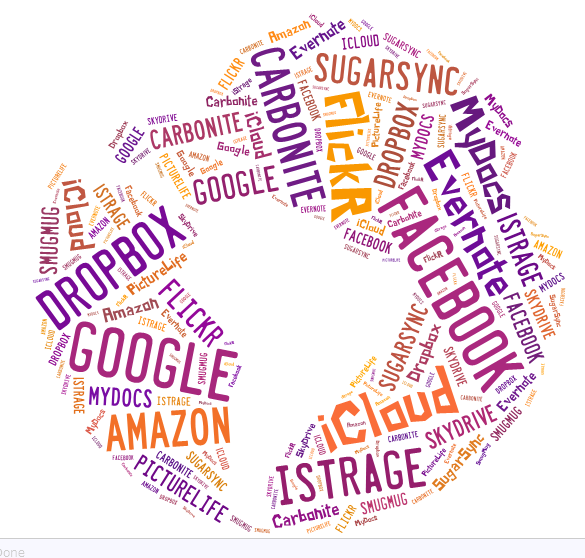
Just a few of the sites where people I know store data and photos.

Over the past several days I’ve heard more people say that they will stop using the cloud — a reaction to the stolen pictures, possibly taken from iCloud, of movie stars and celebrities (September 2014).

Hmmm…  How about being a bit more realistic?

This is a great teaching moment for 21st Century parents, kids, and anyone who works with children. We need to remind ourselves that, no matter what a website tells us, our security depends on the many steps that each of us takes to protect and reinforce our information — passwords, privacy settings, 2-step verifications. Most of use the cloud, and often we don’t even think about it or take our privacy that seriously until something goes wrong.

Continue reading “So I Just Won’t Use the Cloud! Really?”

Posted in 21st Century Learning, 21st Century parenting, Back-to-school digital reading, data collecting, digital devices, digital kids, family conversations, parents and technology, supervising digital kids

5 Digital Parenting Questions to Ask As Your Kids Return to School

Now that we are all returning to school routines, take the time to make a few 21st Century family decisions — choices that can help the device-users in your family grow more careful, thoughtful, and serious about their connected world  responsibilities. With so much going on the digital world, parenting today is a bit like riding a roller coaster. But some carefully considered decisions can set the stage for fewer digital world scrapes and bumps in a family’s life.

1. Where will digital devices be charged at night? Most educators recommend that families charge devices in a centralized location away from bedrooms. Many parents also set an evening time limit after which mobile phones, iPads, and even the Internet cannot be used.made_at_www.txt2pic.com

2. If students have significant amounts of online homework, where will they work? Dining room table? Family room? Den? Most educators and pediatricians suggest that students do  homework on computers that are located in places where other people also spend time and not in the bedroom. Check out How Does Multitasking Change the Way Kids Learn over at the KQED Mindshift website.

Continue reading “5 Digital Parenting Questions to Ask As Your Kids Return to School”

Posted in 21st Century Learning, 21st Century teaching, parents and technology, searching for information

Word Order: When You Search It Matters!

The word order of a search matters in today’s connected world, so 21st Century learners — of all ages — should understand how search results change when a user rearranges the words. A short video on word order, uploaded by Google’s Search Anthropologist Daniel Russell – check out his Search-Research blog – teaches this lesson effectively.

Use this less-than-two-minute video — I found it in a blog post at Free Technology for Teachers — as a quick and succinct teaching tool with students, parents, and other educators.

Posted in 21st Century parenting, Back-to-school digital reading, curated resources, digital citizenship, online learning, parents and technology, searching

Teaching Kids to Search Well and Evaluate What They Find

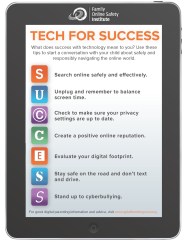
TechforSuccessMy post, Back-to-School Research Tip: Help Your Child Use Curated Online Databases, is posted over at the Platform for Good website. It describes strategies that parents and educators can use to help children understand more about quality searching and help 21st Century kids become better evaluators of their search results.

To get the new school year started in a digitally sensible way, please take a few minutes to read my post and learn ways to direct 21st Century children to resources curated by experts, materials chosen to help students get good results when they search. The more they encounter quality search results, the better they will become at recognizing poor quality when they use a less curated searching tool.

On the same page, at the right, is a wonderful graphic called Tech for Success that I will definitely use as a handout with students and their parents during the 2014-15 school year. Similar to an acrostic poem, the graphic uses the word “success,”  spelling it down the left-hand side of the page and attaching an important digital citizenship message to each letter of the word.

Posted in 21st Century Learning, 21st Century parenting, 21st Century teaching, apps, Back-to-school digital reading, digital devices, digital kids, digital parenting, mobile phones, parents and technology

How Quickly Do New Apps Gain Kids’ Attention?

See the larger charts below.

As we get ready to return to school for the 2014-15 academic year, my thoughts turn toward the digital life changes that I’ll observe in the lives of my 21st Century students when we come together in September.

After three months of summer activities such as volunteering or part-time jobs and the less structured time at camps and on vacations, most kids arrive at school with new digital experiences, devices, and apps — and they want to share everything. I’ve especially thought about the number of apps that seem to come out of nowhere — suddenly appearing in kids lives and on their mobile devices — and I know popular new ones will appear this fall.

Below I am sharing three slides from digital parenting presentations that I made over six months, from October to May during the 2013-14 school year.

Continue reading “How Quickly Do New Apps Gain Kids’ Attention?”

Posted in 21st Century life, 21st Century parenting, parents and technology, privacy

Project Eavesdrop: NPR’s Story About Our Unintentional Sharing

detective-2
Picture courtesy of Ollie Olarte on Flickr. Click to visit his site.

Just what can our Internet activity tell about us, and who can find the information? What do we unintentionally share? We tell our children not to share specifics kinds of personal information, but much of that information is somewhere — in the digital ether — a result of our various digital footprints, searches, apps settings, and smartphone connections, and waiting to be discovered.

Given the news about the massive amount of data collected by the National Security Agency, NPR reporter Steve Henn set out to find out how much of our data “seeps” out, potentially allowing others to learn all kinds of personal information about a person. Henn used himself as a test subject.

He called his story Project Eavesdrop, and NPR featured a radio report and posted the story online during the second week of June 2014 (a time when so many of us, busy with the end of the school year or the beginning of summer activities, missed this story).   Continue reading “Project Eavesdrop: NPR’s Story About Our Unintentional Sharing”