
 Fake is a generic term. It means one thing to one person and another thing to someone else. Anyone can say that something is fake or made up.
More descriptive words make it more difficult to label information that is untrue, and easier to challenge. We — kids, adults, parents, and teachers — need all the help we can get in this 21st Century connected world when it comes to evaluating credibility
My ideas?
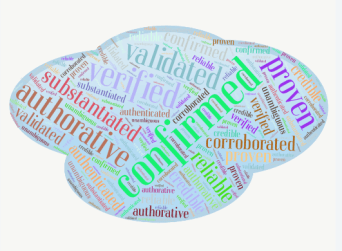
- Confirmed news
- Authoritative news
- Substantiated news
- Verified or validated news
- Corroborated news
- Proven news
- Authenticated news
- Reliable news
- Credible news
- Unambiguous news
Teaching our children and all citizens to check for credibility, evaluate, and celebrate substantiated news has become more urgent In today’s hyper-connected world. Read my more detailed post on this topic.

 The Media Literacy community is dedicated and passionate about its work — but not according to danah boyd (yes she spells her name this way).
 Fake is a generic term. We don’t use it much when we teach — in any subject — because it’s judgmental and doesn’t tell us much about whatever it’s supposed to be characterizing. Besides, anyone can say that something — anything — is fake or made up.
 According to a
  If you think a lot about fake news these days, and if you aim to help your students or family members develop the ability to effectively evaluate and decide what’s real and what’s not, National Public Radio (NPR) just published an excellent article,
  Media! Tech! Parenting!
You must be logged in to post a comment.