Posted in digital citizenship, digital parenting, family conversations, parents and technology, privacy, resources to read

SOPA Best Coverage: We Need to Learn More Since It Will Be Back

So maybe, other than discovering that Wikipedia wasn’t working very well, you did not really get into all of the brouhaha about SOPA.

Fine, but if you read blogs or write for blogs or just do a lot on the web, you need to learn a lot about this issue. Below is a basic reading list, culled reliable press sources, to help you understand more.

What stands out in many of the articles, is how many of our representatives in Congress do not know or even understand enough about the digital world to be making policy about it. I wonder how many representatives and senators based a decision on a single staff memo or an index card with important (but perhaps poorly explained) bullet points? Right now the bill is not going anywhere, but this issue will come back.

Educate yourself by reading some of the articles below. Continue reading “SOPA Best Coverage: We Need to Learn More Since It Will Be Back”

Posted in digital devices and gadgets, digital parenting, family conversations, parents and technology, Screen-Free Week, setting technology limits, teaching digital kids

Screen Free Week — for Schools, Churches, and Families

Take the Screen Free Week Challenge!

Every year the Campaign for a Commercial-Free Childhood sponsors Screen Free Week. 

The April 30-May 6, 2012 week-long activity, which for years was a turn-off-the-TV event, aims to encourage children and their families (and yes, adults with their digital devices), to be less dependent on activities in front of screens, encouraging all of us to consider other types of activities such as reading, playing outside, board games and exercise.

The point of Screen-Free Week is not to forget about digital activities, stop doing homework, and ignore the work that needs to be accomplished each day. Rather it’s a time to think carefully about the digital screen logjam in our lives and consider just how much time we are spending in front of  TV, computers, iPods, iPhones, Blackberries, and other gadgets — and whether some of that time is better used for other things.

Just about everyone needs to come up with strategies to balance screen time activities with the rest of our lives, perhaps adding a bit more variation and creativity to our daily endeavors. But the week can also be a time to think about the quality of life. We should be asking ourselves, “How can we use our devices to learn and collaborate more, and are there ways they might help us grown into more productive citizens?”

The organization’s website describes the week as a celebration. Continue reading “Screen Free Week — for Schools, Churches, and Families”

Posted in Bookmark It!, digital learning, digital parenting, digital world reading habits, resources to read

International Children’s Digital Library: Changing the World One Book at a Time

What if our children had instant access to a library with thousands of books from countries all over the world — a place that invited them to drop by, read, and learn about one another (and without driving)? Imagine what they could find out about the world’s cultures, celebrations, languages, differences, and also about what they have in common.

Click here to visit the library.

That just about describes the mission of the International Children’s Digital Library (ICDL), an online destination hosted at the University of Maryland. The massive website, with digitized books in 61 languages is the largest online collection of multicultural children’s literature, and everything on the site promotes reading and the love of diversity.

Continue reading “International Children’s Digital Library: Changing the World One Book at a Time”

Posted in assessing learning, digital citizenship, digital parenting, parents and technology, teaching digital kids

Assessing Students but Not With Grades

I’ve just finished up a digital citizenship unit with my students, covering privacy, digital footprints, digital communication and the lack of human cues, and a bit about how easy it is for a person to cyber-bully using sarcasm, criticism, and flippant comments. It’s a lot to cover in a month, but we manage quite well.

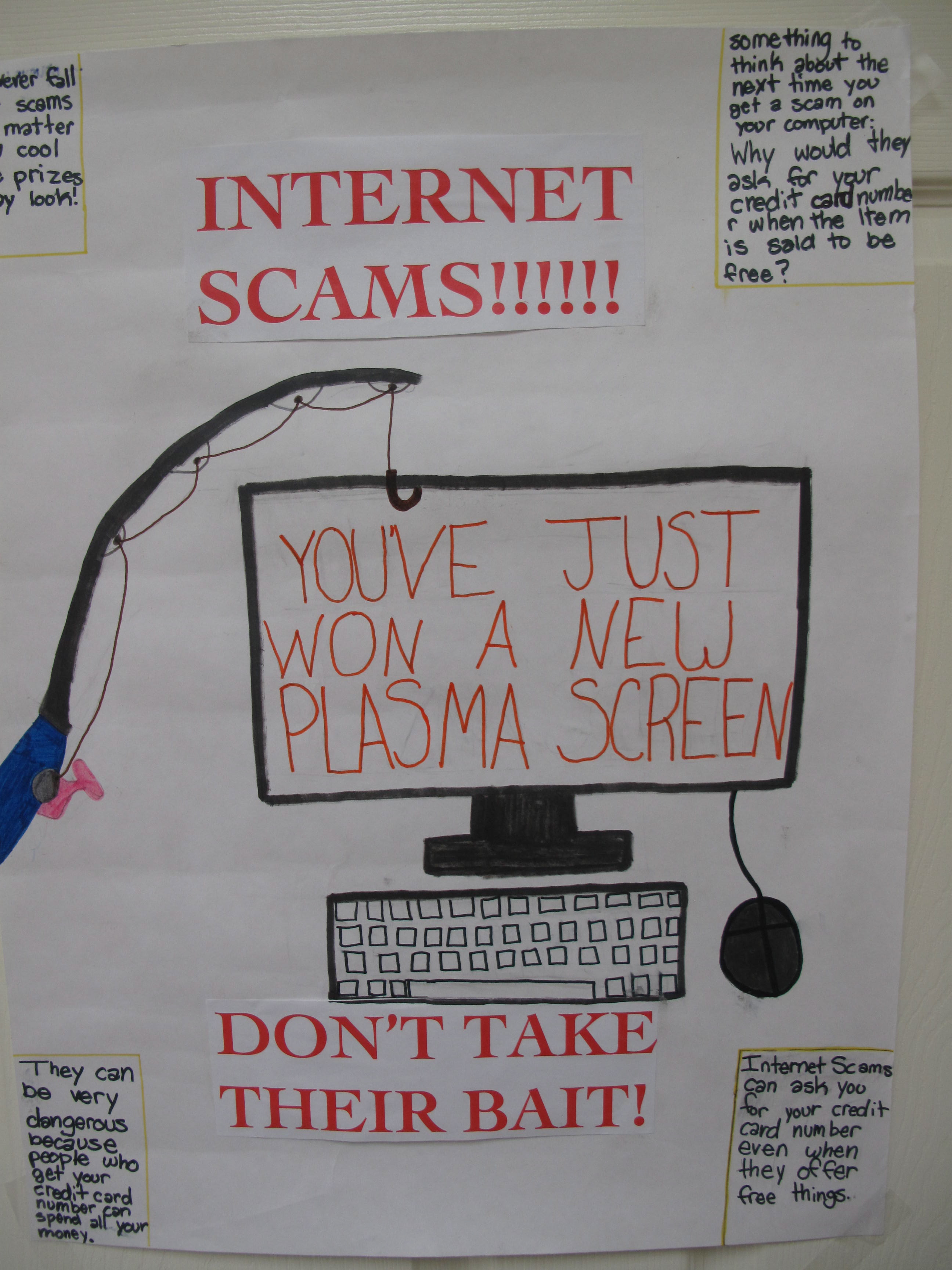
After we complete the classroom activities, and most of these are collaborative smaller projects, the children complete a final poster project. I expect the poster to communicate as much information as possible on one of the topics. The posters are not digital creations because we hang them in a school hallway — a digital citizenship exhibition — for a month in the winter.

I am always amazed at the way these posters demonstrate how much my students have learned. Some children focus on the artwork, while others are more text oriented. Still others use a computer, clip art, or a presentation tool, combining components to make their posters.  Continue reading “Assessing Students but Not With Grades”

Posted in digital parenting, hearing loss, iPhones and iPads, parents and technology, technology and health problems

App Demonstrates How Hearing Can Be Impaired

Check out your hearing!

It’s a fact of life. We all spend lots of time attached to headphones.

Most of us know enough to take care with the volume, but are we really doing it? Moreover, what can we do to ensure that our kids are regulating the volume as they listen to music?  It doesn’t help that many pre-teens and adolescents don’t always listen to their parents.

Now a new app, Auto-Old My Music, may be able to communicate the dangers of extremely loud music better than we can. This app, available for iPhone and iPod, plays the music differently — it’s muffled and not particularly clear — just the way it might sound to a person who is hearing impaired.

Now that might successfully drive the point home.

The Auto-Old My Music app, designed by the Baptist Memorial Health Care in Memphis, Tennessee, is a response to research, Change in Prevalence of Hearing Loss in U.S. Adolescents, published in the Journal of the American Medical Association (JAMA). Read the full article in PDF format.

Articles to Check Out

You can also read my 2010 post, Teens and Hearing Loss.

Posted in cell phones, digital parenting, parents and technology

Want Sleep in Your Home? Get Charging Stations

Charging stations at Pottery Barn.

To make a positive difference in the quality of  your household’s sleep, consider purchasing one or two charging stations where family members’ phones and other devices can be charged at your house. Install charging stations away from the bedrooms of family members. A Google search for charging stations gets you started, or you can begin with this Mashable post, 10 Chic Charging Stations.

I recently discovered, in a small way, just how a cell phone screen can affect sleep. I received a new Solitaire game app, and I started playing two or three games on my iPhone just before bed several nights in a row. A few games grew into  20 or 30 minutes of play, but when I put down the phone, it took me a long time to settle down. The fourth night I did not play, and sleep came easily. Lesson learned.

I’ve added four pictures of charging stations that my family has checked out — some practical and others with a bit of whimsy. Many others are available. Continue reading “Want Sleep in Your Home? Get Charging Stations”

Posted in answers to media questions, digital parenting, media literacy, parents and technology, social media, social networking

You Can be Media Savvy with Your Kids in 2012!

Common Sense Media recently posted Six Ways to be a Media Savvy Parent in 2012. The December 2011 report suggests all sorts of ideas that can help parents (and other adults) develop stronger media (and media literacy) skills.

Suggestions include downloading a game to play with the kids, trying out a social media site, investigating YouTube, and much more. Some these can ideas will provide great fun for kids and parents over the holiday vacation.

Visit Common Sense Media and try out some of these features.

Thanks to my colleague and friend Renee Hawkins for spotting a good media post (one that I had missed). Renee blogs with another friend and colleague, Susan Davis, at The Flying Trapeze.