Posted in 21st Century Learning, 21st Century parenting, parents and technology, writing, writing online

Good Writing Online? Fifth Graders Give Advice

Last year, after a lesson comparing formal and informal online writing, I asked GDS fifth graders to reflect on what they had learned. We also discussed the effect writing can have on a reading audience and the conclusions a reader just might form about a writer. To learn a bit about what we did, you can read my lesson overview, Writing Online — What to Think About.keyboard

Below are some student contributions to the conversation, written in response to my post on their fifth grade blog. These 21st Century learners understand the differences between various types of writing – but they need adult help when it comes to applying what they know as much as possible and adult commendation when they get it right.  Parents of digital kids — take note.

A Few Student Reflections on Writing                          Continue reading “Good Writing Online? Fifth Graders Give Advice”

Posted in 21st Century Learning, 21st Century parenting, Back-to-school digital reading, data collecting, digital devices, digital kids, family conversations, parents and technology, supervising digital kids

5 Digital Parenting Questions to Ask As Your Kids Return to School

Now that we are all returning to school routines, take the time to make a few 21st Century family decisions — choices that can help the device-users in your family grow more careful, thoughtful, and serious about their connected world  responsibilities. With so much going on the digital world, parenting today is a bit like riding a roller coaster. But some carefully considered decisions can set the stage for fewer digital world scrapes and bumps in a family’s life.

1. Where will digital devices be charged at night? Most educators recommend that families charge devices in a centralized location away from bedrooms. Many parents also set an evening time limit after which mobile phones, iPads, and even the Internet cannot be used.made_at_www.txt2pic.com

2. If students have significant amounts of online homework, where will they work? Dining room table? Family room? Den? Most educators and pediatricians suggest that students do  homework on computers that are located in places where other people also spend time and not in the bedroom. Check out How Does Multitasking Change the Way Kids Learn over at the KQED Mindshift website.

Continue reading “5 Digital Parenting Questions to Ask As Your Kids Return to School”

Posted in 21st Century parenting, Back-to-school digital reading, curated resources, digital citizenship, online learning, parents and technology, searching

Teaching Kids to Search Well and Evaluate What They Find

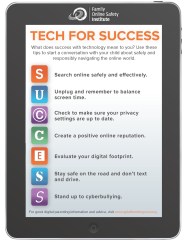
TechforSuccessMy post, Back-to-School Research Tip: Help Your Child Use Curated Online Databases, is posted over at the Platform for Good website. It describes strategies that parents and educators can use to help children understand more about quality searching and help 21st Century kids become better evaluators of their search results.

To get the new school year started in a digitally sensible way, please take a few minutes to read my post and learn ways to direct 21st Century children to resources curated by experts, materials chosen to help students get good results when they search. The more they encounter quality search results, the better they will become at recognizing poor quality when they use a less curated searching tool.

On the same page, at the right, is a wonderful graphic called Tech for Success that I will definitely use as a handout with students and their parents during the 2014-15 school year. Similar to an acrostic poem, the graphic uses the word “success,”  spelling it down the left-hand side of the page and attaching an important digital citizenship message to each letter of the word.

Posted in 21st Century Learning, 21st Century parenting, 21st Century teaching, apps, Back-to-school digital reading, digital devices, digital kids, digital parenting, mobile phones, parents and technology

How Quickly Do New Apps Gain Kids’ Attention?

See the larger charts below.

As we get ready to return to school for the 2014-15 academic year, my thoughts turn toward the digital life changes that I’ll observe in the lives of my 21st Century students when we come together in September.

After three months of summer activities such as volunteering or part-time jobs and the less structured time at camps and on vacations, most kids arrive at school with new digital experiences, devices, and apps — and they want to share everything. I’ve especially thought about the number of apps that seem to come out of nowhere — suddenly appearing in kids lives and on their mobile devices — and I know popular new ones will appear this fall.

Below I am sharing three slides from digital parenting presentations that I made over six months, from October to May during the 2013-14 school year.

Continue reading “How Quickly Do New Apps Gain Kids’ Attention?”

Posted in 21st Century Learning, collaborating with kids, digital kids, digital learning, parents and technology

10 Digital Summer Projects for Parents and Kids: Collaborate!

Summertime, summertime, sum, sum, summertime.  

Yup, it’s almost summer 2014! summer digital projects

With less frenetic schedules the summer months are a good time to learn more about the digital whirl that’s such a huge part of kids’ 21st Century lives. So when school is out, plan to do some connected world exploring and learning together, concentrating on projects that can help family members — children and their parents — figure out even more about digital life.

Below are 10 family digital project summer suggestions — all activities require collaboration —  to consider for the upcoming vacation. Note: Be sure to collaborate on these projects so that adults and children make meaningful contributions.

Ten Summer Digital Projects for Families                        Continue reading “10 Digital Summer Projects for Parents and Kids: Collaborate!”

Posted in 21st Century Learning, connected learning, online learning, online tracking, privacy

Is Privacy Protected When a Student Learns Online?

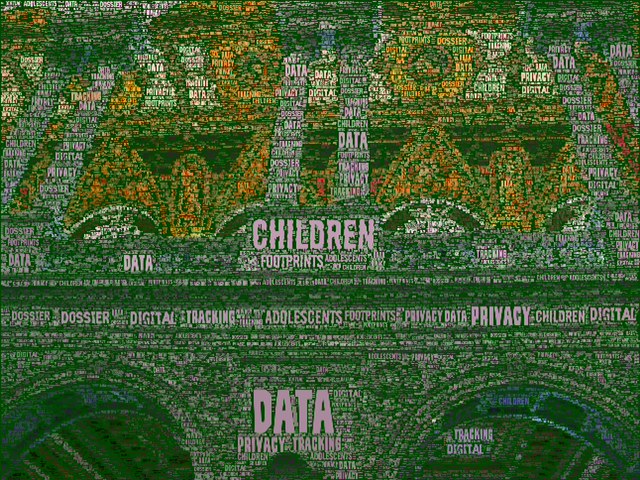
Image made with Wordfoto with a picture taken at the Library of Congress.

If you think that the digital world may be getting it together on the privacy front, at least when it comes to children, think again.

A disturbing article, Data Mining Your Children, published in Politico, describes how for-profit online learning companies provide digital textbooks, connected learning programs, and record keeping options while collecting an enormous amount of information on individual students. The question is, what will they do with this personal data? Politico is a Washington newspaper that covers national government policy and politics.           Continue reading “Is Privacy Protected When a Student Learns Online?”

Posted in 21st Century Learning, 21st Century parenting, digital citizenship, digital footprints, digital kids, digital learning, parents and technology

How We Teach Digital Citizenship Makes a Difference

Digital Citizenship Posters Become a Hallway Exhibit
Digital Citizenship Posters Become a Month Long Hallway Exhibit

When it comes to digital citizenship, we cannot just lecture or watch videos.

Everyone learns best by doing — whether it’s tying a shoe, mastering letter sounds, figuring out a science concept, learning to drive, parenting a new baby, or any other activity, including what we need to figure out on computers and digital devices. When people tell us how to do something by talking a lot, most of us can’t wait for the person to stop talking so we can try to do it ourselves.

Now consider how we have gone about teaching 21st Century children — at home and at school — about digital devices and digital world behavior. Mostly adults talk and talk, telling children, pre-adolescents, and teens about all the things that can go wrong and explaining what we don’t want them to do.

Over the past 15 years, I’ve spent way too much time talking to kids about digital life issues and not nearly enough time doing things with them. So these past few years I’ve changed the way I teach.                              Continue reading “How We Teach Digital Citizenship Makes a Difference”