Posted in Bookmark It!, digital learning, digital parenting, online learning, parents and technology, tutorials

More on QR Codes – As Promised in December 2011: Bookmark It!

Click to visit the Common Craft QR code tutorial.

The Common Craft website is filled with great tutorials on digital topics of all sorts. When I want to learn about something unfamiliar, Common Craft is one of the first places I look for clear — and simple — explanations. And parents and teachers today need lots of digital explanations as we all navigate 21st-century learning landscape.

The tutorial on QR codes is great. I can’t embed the video here on the blog, because a user needs a subscription to do that, but I’ve made a small graphic of the tutorial.  Click on it, visit the Common Craft site, and watch the tutorial.

And while you’re at it check out some of the other tutorials. Learn more about Common Craft membership.

Posted in American Academy of Pediatrics, digital parenting, Do Not Track Kids Act, kids changing lives, online tracking, parents and technology, privacy

Support the Do Not Track Kids Act

Read the bill.

Today, February 7, 2012, take a few minutes to ask your United States Representative to support the Do Not Track Kids Act, a bill that seeks to prevent the tracking and collecting of kids’ online information and activities.

Parents and educators know how much children and teens love to explore the digital world, and that’s not going to change. What needs to change is the way companies collect information about kids’ digital activities and then use it for marketing purposes, much of it exploitative. The Do Not Track Kids Act aims to stop tracking the activities of children and adolescents and encourages companies to adopt a Digital Marketing Bill of Rights for Teens.

Continue reading “Support the Do Not Track Kids Act”

Posted in digital parenting, family conversations, parent education, parents and technology, privacy

Think Before Taking Online Quizzes and Surveys

I have a big problem with online web surveys and quizzes aimed at kids. Many are tricky digital techniques using old-fashioned fun and emulating magazine quiz features of the past, but with a contemporary cyber-twist that encourages today’s web users — and many, many children — to happily divulge all sorts of personal information.

When you encounter a quiz or survey on a website, it’s a good time to chat with children about privacy and the methods that websites use to collect personal information. Remind them that no kid-friendly erasers are currently available to whisk things away once children provide information.

You may also want to visit the I Look Both Ways blog, where Linda Criddle has posted Online Quizzes and Surveys and the Real Risks These Represent. Linda’s post offers a comprehensive overview of the subject along with supplemental images.

Here’s a short excerpt — applicable for home and at school — from my November 2011 post at the Teaching Tolerance blog.

Continue reading “Think Before Taking Online Quizzes and Surveys”

Posted in acceptable use, digital citizenship, digital parenting, family conversations, parent child conversations

Family Conversations on Digital Life

The Seattle Times recently published Ways for Parents to Ease the Tussle With Teens over Tech Use. The January 27, 2012 article, by Julie Weed, reviews the challenges of digital parenting and suggests five digital life ground rules, including setting up a technology/gadget evening curfew.

Read the entire article.

Posted in digital parenting, family conversations, media literacy, parents and technology, teaching

Media Literacy in Bhutan

Question: What’s the last nation in the world to have television reception?

Answer: Bhutan, which used to be an absolute monarchy and is now building democratic institutions as a constitutional monarchy.

Bhutan map from the CIA Factbook.

What a great bit of digital world trivia to begin a family media literacy conversation!

According to this press story from Ithaca College, the Kingdom of Bhutan invited representatives from the school’s media literacy initiative, Project Look Sharp, to work with the Ministry of Education and help train the country’s teachers to understand and use media literacy principles.

As Bhutan develops democratic institutions, encouraging citizens to assume the responsibilities of civic participation, the country’s leaders want to ensure that the strengths of traditional Buddhist life are not overwhelmed by the exposure to western media influences.

Continue reading “Media Literacy in Bhutan”

Posted in digital parenting, electronic communication, family conversations, parents and technology, social media, social networking, teaching digital kids

Twitter Stats for the State of the Union

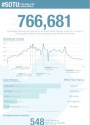
Politico, a Washington weekly newspaper that meticulously covers all things political, published this nifty Twitter graphic illustrating the tweeting environment during 2012 State of the Union (SOTU) speech. The data collection begins around 9:05 and continues until 10:40 eastern time. President Obama entered the chamber around 9:05 and the Republican response ended around 10:40.

The infographic includes a huge amount of data, illustrating the times (and issues), when the frequency of #SOTU tweets went up, and other hashtag (#) topics that people included in their tweets.

Twitter’s infographic illustrates an enormous amount of social networking activity. Use it as a classroom or dinner table conversation topic. providing a glimpse into real-time civics and history.