
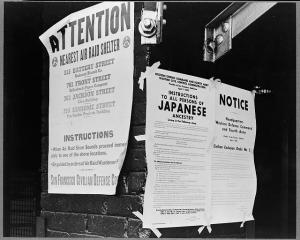
I have known six people whose families were forced to move into United States government Japanese internment camps. It’s been an honor for me and my family to listen to their stories — though not always easy to hear about or imagine the cruelty they experienced. The internment, a reaction to the war with Japan and called an evacuation by the United States government, began in 1942 and essentially imprisoned more than 117,000 people. Two-thirds of them were born as American citizens and over half were children,
February 19th, the day in 1942 that President Roosevelt signed an executive order known as the internment order, is a Day of Remembrance in many states. Educators and parents can use the day to understand more — and help 21st Century children learn more — about the internment of Japanese families during World War II. Today, as we deal with the challenges of increasing diversity in the United States and recognize our immigrant history, it’s more important than ever to understand what happened and why the United States now recognizes the internment policy as a mistake.
As U. S. President Gerald Ford said, “Not only was the evacuation wrong, but Japanese Americans were and are loyal Americans.” Continue reading “Japanese Internment in the U.S. — Information to Share With Today’s Students”

 Media! Tech! Parenting!
You must be logged in to post a comment.