Posted in cultural changes, digital parenting, parent child conversations, parents and technology

Staying Power — Is there Such a Thing Anymore?

My First Palm (PDA)

I’ve been thinking a lot about staying power and about the importance of understanding just how fast things can change in the digital world. Both are great topics for family conversations about 21st Century life.

My Current iPhone 4S

In Bye Bye BlackBerry. How Long Will Apple Last? Forbes writer Adam Thierer describes a historical pattern — digital information giants rising and eventually declining when something better, more interesting, and useful comes along.

Using Blackberry as the current example, with occasional references to Palm devices, Thierer points out that these companies are classic examples of companies, “… with a static snapshot mentality disregarding the potential for new entry and technological disruption.”

I’ve never owned a personal computer other than a Mac, so I understand a lot about rising and falling fortunes and how Apple is currently riding high. I also, fondly remember my first Palm device and how revolutionary it seemed.

Still, it’s interesting to think about what new and exiting gizmos may be residing in someone’s garage, basement, hard drive — or imagination — and how revolutionary they may seem compared to the products we love right now.


Posted in digital parenting, online databases, parent child conversations, parents and technology, social media, supervising kids

Effectively Guide Your Digital Kids-10 Tips for Grades 4-6 and Beyond

My design with images from the Apple website.

1.    Save Facebook, Google+, and other big-time social networking experiences for high school.

2.    Know your child’s passwords.

3.    Keep online computer activities out of the bedroom. Also, plan on no-screen wind-down time during the last half hour before bed. (Yes, even those bedtime friendly Kindles – why not use bedtime-friendly books?)

4.    Set up an overnight charging area for cell phones and other gadgets outside of the bedroom, preferably on another floor or part of your home.

5.    Consider writing up digital device contracts and using these agreements with your child. Feel free to take away privileges, or even the device, if your expectations are not met.

Continue reading “Effectively Guide Your Digital Kids-10 Tips for Grades 4-6 and Beyond”

Posted in cell phones, fraud, parents and technology, scams and fraud

Fraudulent Text Adds Service to My Cell Phone! Don’t be Scammed!

This text message arrived out of the blue on my iPhone the other day.

This text message arrived on my mobile phone.

I had not ordered LoveGenie Tips, nor did I want to receive these messages. Moreover, I did not want to reply either to ask for help or to tell them to stop, because I worried that a reply might allow them to harvest more information about me.

Continue reading “Fraudulent Text Adds Service to My Cell Phone! Don’t be Scammed!”

Posted in digital devices and gadgets, digital learning, iPhones and iPads, online learning, parents and technology

iPad Ownership Growth in the U.S.

The ComScore DataMine site features this graph depicting the growth of iPad ownership across income categories in the United States.  And these numbers are before the iPad III goes on sale.

Last week at the National Association of Independent Schools (NAIS) conference, I attended quite a few iPad in education events. Here’s a January 2012 New York Times article, Math that Moves: Schools Embrace the iPad.

Also check out the March 5, 2012 New York Times piece, As New iPad Debut Nears, Some See Decline of PCs.

Posted in digital devices and gadgets, digital parenting, family conversations, parents and technology, Screen-Free Week, setting technology limits, teaching digital kids

Screen Free Week — for Schools, Churches, and Families

Take the Screen Free Week Challenge!

Every year the Campaign for a Commercial-Free Childhood sponsors Screen Free Week. 

The April 30-May 6, 2012 week-long activity, which for years was a turn-off-the-TV event, aims to encourage children and their families (and yes, adults with their digital devices), to be less dependent on activities in front of screens, encouraging all of us to consider other types of activities such as reading, playing outside, board games and exercise.

The point of Screen-Free Week is not to forget about digital activities, stop doing homework, and ignore the work that needs to be accomplished each day. Rather it’s a time to think carefully about the digital screen logjam in our lives and consider just how much time we are spending in front of  TV, computers, iPods, iPhones, Blackberries, and other gadgets — and whether some of that time is better used for other things.

Just about everyone needs to come up with strategies to balance screen time activities with the rest of our lives, perhaps adding a bit more variation and creativity to our daily endeavors. But the week can also be a time to think about the quality of life. We should be asking ourselves, “How can we use our devices to learn and collaborate more, and are there ways they might help us grown into more productive citizens?”

The organization’s website describes the week as a celebration. Continue reading “Screen Free Week — for Schools, Churches, and Families”

Posted in digital parenting, hearing loss, iPhones and iPads, parents and technology, technology and health problems

App Demonstrates How Hearing Can Be Impaired

Check out your hearing!

It’s a fact of life. We all spend lots of time attached to headphones.

Most of us know enough to take care with the volume, but are we really doing it? Moreover, what can we do to ensure that our kids are regulating the volume as they listen to music?  It doesn’t help that many pre-teens and adolescents don’t always listen to their parents.

Now a new app, Auto-Old My Music, may be able to communicate the dangers of extremely loud music better than we can. This app, available for iPhone and iPod, plays the music differently — it’s muffled and not particularly clear — just the way it might sound to a person who is hearing impaired.

Now that might successfully drive the point home.

The Auto-Old My Music app, designed by the Baptist Memorial Health Care in Memphis, Tennessee, is a response to research, Change in Prevalence of Hearing Loss in U.S. Adolescents, published in the Journal of the American Medical Association (JAMA). Read the full article in PDF format.

Articles to Check Out

You can also read my 2010 post, Teens and Hearing Loss.

Posted in cell phones, digital devices and gadgets, electronic communication, gadget ownership, parents and technology

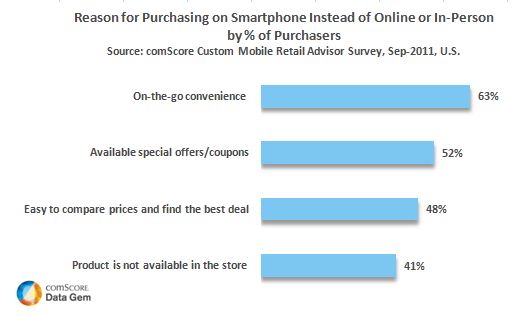
Why People Purchase SmartPhones for Themselves (and their Kids?)

The December 6, 2011 ComScore Data Mine features this interesting data chart that graphs the reasons that people purchase smartphones. The leading reason?
People appreciate the convenience of smartphone ownership. Is staying in instant communication with kids one of these conveniences?

The challenge for parents when they purchase these gadgets for kids?  Balancing appropriate use with convenience. Read the MediaTechParenting family mobile phone contract.

Check out graph and explanation at the ComScore site.