Posted in Back-to-school digital reading, digital learning, Evaluating Web Resources, online research, parents and technology, supervising kids

Websites: Reliable or Bogus?

When we adults were students, we learned to write content-filled essays and reports, introducing the important facts about a subject. We discovered these facts by using quality reference materials, often at a library.

With today’s digitized resources and websites, a student follows roughly the same routine, but resource reliability is a significant issue. While it’s easy to find sites with information about a topic, identifying reliable and significant information is more of a challenge. The trick is to discover whether or not a site is a reliable resource.

Help your child determine the quality and reliability of a site before using it as a digital resource. The University of Maryland posts this short handout that explains how to go about evaluating a website.

Many sites appear to be real as well as reliable, but they are bogusAn entertaining website for you and your child to explore features bogus websites designed to look accurate and authoritative. Except that they aren’t. Take a few minutes to explore these bogus sites.

Better yet, explore them with your children.
Posted in attributing sources, digital learning, digital parenting, family conversations, parents and technology, plagiarism, research on the web

In a Digital World: Always Attribute Sources! Back-to-School 2011

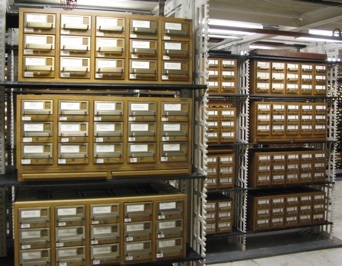
Old card catalog drawers at the Library of Congress

When I was in what we used to call junior high, working on my first bona-fide school research projects, mired down with things to read, and wishing to be finished, my father reminded me over and over again, “… you cannot attribute too much, only too little.” Even now, years later, with only a few words written on a page, I start thinking about Dad’s attribution credo.

Every parent of digital kids needs to share Dad’s strategy whenever children are working on school projects and papers. It is way too easy, in this age of Google, Wikipedia, and easy instant access to digitized scholarly articles, to write about another person’s ideas without giving credit.

I was reminded of my dad when I read the September 11, 2011 Washington Post Ombudsman column. In Plagiarism or Poor Attribution? Patrick B. Pexton writes about an op-ed piece on women and computer programming that appeared two weeks earlier, one that described how many woman used to be programmers. Pexton wonders if the author credited enough of her sources. Continue reading “In a Digital World: Always Attribute Sources! Back-to-School 2011”

Posted in cultural changes, digital learning, digital parenting, parent education, parents and technology, writing for the web

Why I Blog for Media Tech Parenting

Made at Wordle.com.

Over a year ago I started this blog, MediaTechParenting.net. My aim was and is to organize, connect, and share resources on media, technology, and digital parenting — information that I encounter every day.

Over the course of a school year I often chat with adults about their digital kids. Most parents are enthusiastic, perhaps even astounded about the digital changes that occur every day in their lives. Yet, they also admit to feeling confused, worried, and even a bit befuddled. Often I find parents reflecting on how committed parents — who understand the importance of these digital changes — are supposed to keep track of the constantly changing digital landscape?

As a 22 year veteran in the educational technology world, I like to sift through articles, seek out references and discover resources that can help people — especially the parents of my students — understand more about the digital world. I read articles, watch videos, listen to stories, and keep an eye out for interesting research. It makes sense to share them on a blog. When I think about a post, I ask the question, “If I were a parent of a digital kid, what might I want to learn about?”

Continue reading “Why I Blog for Media Tech Parenting”

Posted in digital learning, digital parenting, parents and technology, teaching

The Virginia Earthquake: Oh How I Love Teaching and Technology

My upstairs hallway

Yesterday in the District of Columbia (my school) and Virginia (my home), we had an earthquake, the largest quake in our area in 70 years. At school things rumbled and doors slammed, so most of the adults, who were preparing for the start of the school year, headed outside for a bit. At my house I returned to find pictures askew. A few things fell on the floor at home, but my neighbor checked on the house and picked them up before I arrived.

But here’s an interesting observation. On a day in August, when teachers like me are getting ready for the start of school — and bemoaning the end of summer just a bit — I found myself wishing the students were already back in school, because I know how special “the day after” can be for young learners and for me, too. Continue reading “The Virginia Earthquake: Oh How I Love Teaching and Technology”

Posted in cultural changes, digital learning, digital parenting, parents and technology

International Society for Technology in Education Conference

Dear Blog Readers,

This week I am in Philadelphia attending the International Society for Technology in Education (ISTE) conference along with more than 15,000 technology educators and school administrators — all of us thinking about how students and, yes, their parents and teachers, learn in the fast-changing digital world.

The exhibits feature hundreds of vendors (36 long rows in a vast hall), and we can choose to attend an array of  keynotes, presentations, meetings, poster displays, student presentations, and demonstrations.

To share some of my experiences I have set up a new MediaTechParenting page, and I am blogging several times each day from the conference — my thoughts, ideas, observations, and more.

Back to more traditional posts late this week.

Marti