Posted in answers to media questions, digital citizenship, digital parenting, family conversations, media literacy, parent child conversations, parents and technology, teaching digital kids

Campaign Advertising — Media at Its Worst for Kids

The tenor of the political advertising in this election season is appalling, and it will get worse. Because no code of best practices exists when it comes to campaign advertising, the current presidential election cycle media will feature unending ads that stretch the truth or make up the facts outright and deliver them straight into the lives of kids. While it’s a fine opportunity to help citizens, young and old, strengthen their media literacy skills, television is over-exposing all of us to some unfortunate and distressing content.

Click to visit.

To Learn a lot more, listen to a recently broadcast Diane Rehm Show about the non-candidate SuperPACs that are spending enormous sums on political advertisements. Jane Mayer’s recent New Yorker article, Attack Dog, is another comprehensive article. Talking to children about what they are seeing on television is critical, especially during an election cycle.

In a February 26, 2012 piece published at the USA Today Teachers’ Lounge (link no longer available), media lit guru, Frank Baker pithily describes the situation. He writes:

Continue reading “Campaign Advertising — Media at Its Worst for Kids”

Posted in acceptable use, digital citizenship, digital parenting, family conversations, parent child conversations

Family Conversations on Digital Life

The Seattle Times recently published Ways for Parents to Ease the Tussle With Teens over Tech Use. The January 27, 2012 article, by Julie Weed, reviews the challenges of digital parenting and suggests five digital life ground rules, including setting up a technology/gadget evening curfew.

Read the entire article.

Posted in digital citizenship, digital learning, family conversations, parents and technology, privacy

Safe Passwords: A Reminder for Parents, Kids, and Teachers

A recent New York Times article, Young, in Love, and Sharing Everything, Including a Password, reminds parents and teachers to take time to talk to adolescents about password privacy. Pulitzer Prize-winning journalist, Matt Richtel, reports that kids share passwords — just as they share gifts and secrets — as tokens of trust and affection. But often an adolescent relationship doesn’t last and neither does the trust. What happens afterward can lead to hurt and humiliation.

Don’t wait until pre-adolescent years to start talking about digital topics such as password privacy. Family conversations, at home and at school, can begin as soon as children receive their first passwords, and over time these talks help kids develop a sense of personal privacy. Discussions can be brief and range over lots of digital topics, but they should occur regularly.

Many adults will be pleasantly surprised that children want to talk about these issues. My post, The Digital Citizenship Minute at the Teaching Tolerance blog, highlights some of the topics fifth graders want adults to address.

Posted in digital citizenship, digital parenting, family conversations, parents and technology, privacy, resources to read

SOPA Best Coverage: We Need to Learn More Since It Will Be Back

So maybe, other than discovering that Wikipedia wasn’t working very well, you did not really get into all of the brouhaha about SOPA.

Fine, but if you read blogs or write for blogs or just do a lot on the web, you need to learn a lot about this issue. Below is a basic reading list, culled reliable press sources, to help you understand more.

What stands out in many of the articles, is how many of our representatives in Congress do not know or even understand enough about the digital world to be making policy about it. I wonder how many representatives and senators based a decision on a single staff memo or an index card with important (but perhaps poorly explained) bullet points? Right now the bill is not going anywhere, but this issue will come back.

Educate yourself by reading some of the articles below. Continue reading “SOPA Best Coverage: We Need to Learn More Since It Will Be Back”

Posted in assessing learning, digital citizenship, digital parenting, parents and technology, teaching digital kids

Assessing Students but Not With Grades

I’ve just finished up a digital citizenship unit with my students, covering privacy, digital footprints, digital communication and the lack of human cues, and a bit about how easy it is for a person to cyber-bully using sarcasm, criticism, and flippant comments. It’s a lot to cover in a month, but we manage quite well.

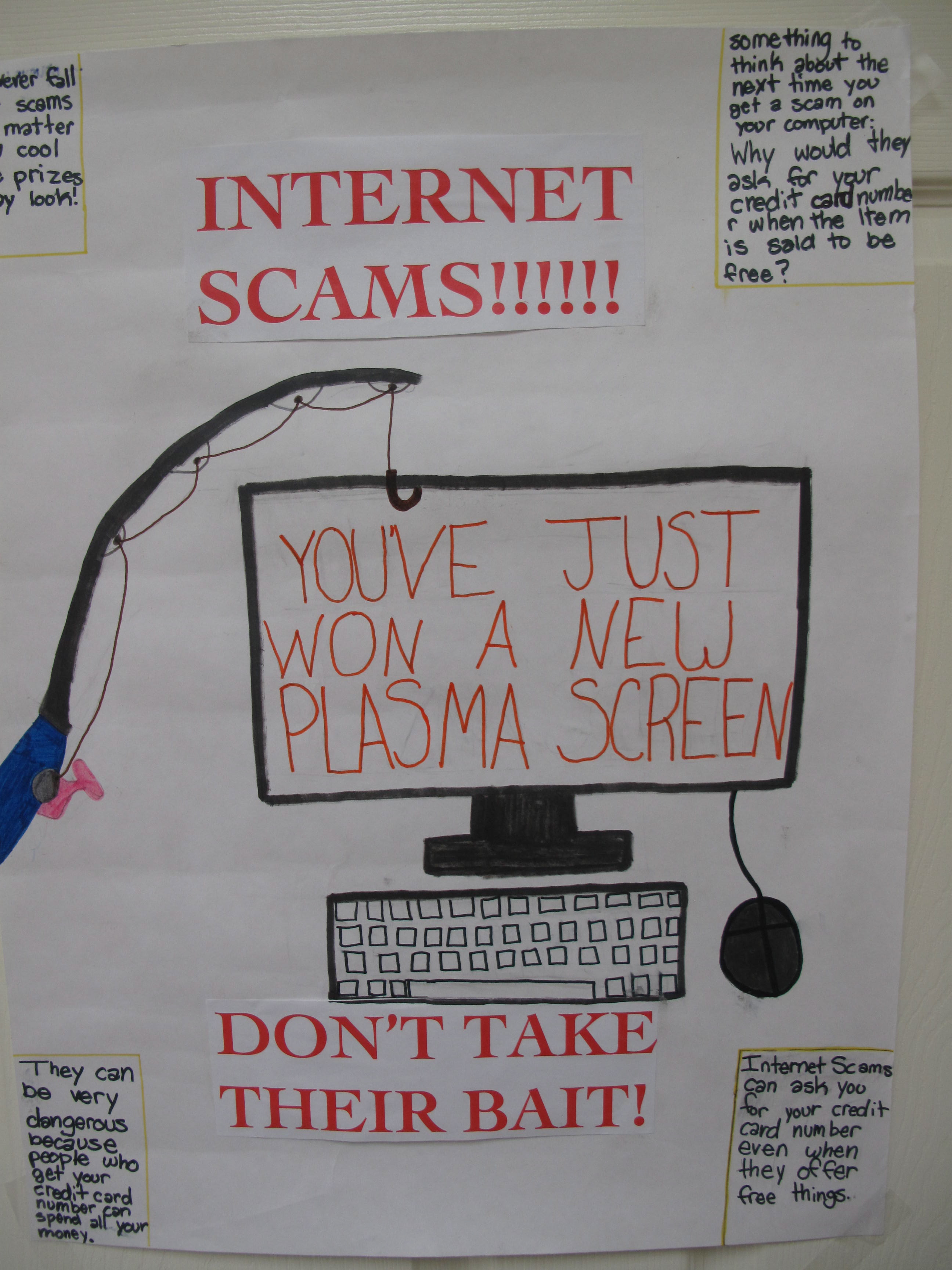
After we complete the classroom activities, and most of these are collaborative smaller projects, the children complete a final poster project. I expect the poster to communicate as much information as possible on one of the topics. The posters are not digital creations because we hang them in a school hallway — a digital citizenship exhibition — for a month in the winter.

I am always amazed at the way these posters demonstrate how much my students have learned. Some children focus on the artwork, while others are more text oriented. Still others use a computer, clip art, or a presentation tool, combining components to make their posters.  Continue reading “Assessing Students but Not With Grades”

Posted in digital citizenship, digital parenting, electronic communication, media literacy, parents and technology, social media, social networking

Young Social Media Users Support the First Amendment

Click to view this image, by Column Five Media, depicting survey results.

Via Milwaukee Journal Online, an interesting article, As Social Media Grow, So Does First Amendment Appreciationdescribes research conducted by the John S. and James L. Knight Foundation. The foundation has taken four surveys, beginning in 2001, to learn more about what high school students know and understand about the First Amendment of the Constitution. (Read the First Amendment here.) The Knight Foundation website explains how that group got started with this work

… after surveys of American adults conducted by The Freedom Forum showed that even modern-day support for the First Amendment is neither universal nor stable. In the wake of the 2001 terrorist attacks, support for the First Amendment plummeted. Suddenly,  the nation was almost evenly split on the question of whether or not the First Amendment “goes too far in the rights it guarantees.’’ Continue reading “Young Social Media Users Support the First Amendment”

Posted in cultural changes, digital citizenship, digital parenting, family conversations, gadget ownership, parents and technology

Digital Kids to Parents: Please Learn More…

With more than 30 years as a teacher including over 20 in the educational technology field, I’ve heard many kids reflect thoughtfully, and not so thoughtfully, on their parents’ digital skills.

Here are the seven most common “I Wish” statements that I’ve heard expressed by children over the last 16 or 17 years. Two of them my daughter told me.

Kids wish their parents and other adults would:

Continue reading “Digital Kids to Parents: Please Learn More…”