Posted in 21st Century Learning, 21st Century life, digital citizenship, digital devices and gadgets, family conversations, kids changing lives, parents and technology

Digital Literacy 101 for Kids, PreK -Grade 6: A Checklist

Screen Shot 2015-10-21 at 1.09.16 PM

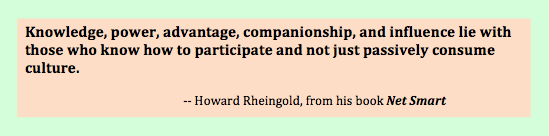
In his book Net Smart, Howard Rheingold writes that for any of us to become knowledgeable connected world users and citizens, each of us needs to develop and continually strengthen five areas of digital literacy. People who use the web wisely and with good results develop fundamental skill in five literacy areas — attention, participation, collaboration, network awareness, and critical consumption of content.

New Smart
New Smart – Read Rheingold’s Educause book excerpt.

As the lives of children, online and off, grow more complex by the day, we adults spend a good deal of our time helping them learn more about the lives they will live in a 21st Century world. We are accomplished at mentoring children in the parts of their lives that are offline, but often teachers and parents simply react to digital life problems rather than build fundamental digital literacy skills that will help children avoid problems. For kids to really be prepared to develop the five literacies that Rheingold describes, they need to build up a foundation of knowledge about the connected world environment.

How is it that children, pre-adolescents, and teens can understand how to use digital devices, consume digital culture at an early age, and even figure out digital device problems for their parents, but have only the barest knowledge about how to relate thoughtfully to people online, take complete advantage of digital resources, and solve problems rather than create them? The reason? We adults have so often put the cart before the horse. We give children their own personal devices or let them borrow ours — gadgets connect in various ways to the entire world,  albeit different ones at different ages — and only gradually go about teaching the fundamental literacy aspects later on and especially when something goes wrong.                          Continue reading “Digital Literacy 101 for Kids, PreK -Grade 6: A Checklist”
Posted in 21st Century Learning, connected learning, digital citizenship, digital health and wellness, digital wellness, mentoring digital kids, monitoring kids online, parents and technology, teaching digital kids

Connected World Coaching for Digital Natives? Read Connecting Wisely

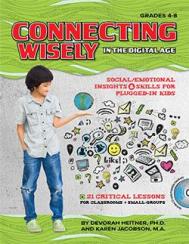
3002_01021048If you teach or think a lot about digital citizenship, take a few minutes to get acquainted with Connecting Wisely in the Digital Age. This new book is simple yet powerful, with content and context for adults who seek to support and mentor 21st Century digital kids. The goal is to help children develop a deeper understanding of the responsibilities that accompany their connected lives.

Authors Devorah Heitner, Ph.D., and Karen Jacobson, MAbase their book on a singular premise — that the 21 activities introduced in their book, when facilitated by imaginative adults, will make a positive difference in kids’ daily online lives. With its flexibility and its focus on adults as connected world coaches and mentors (not lecturers), Connecting Wisely stands head and shoulders above many other curricula in this category.                 Continue reading “Connected World Coaching for Digital Natives? Read Connecting Wisely”

Posted in 21st Century life, connected learning, digital citizenship, digital learning, digital parenting, digital wellness, educating digital natives, parents and technology

10 Digital Wellness Thoughts to Consider

Digital WellnessThese days everyone talks about personal wellness — those steps that people need to take to remain physically and mentally healthy and strong. But what about digital wellness? Poor digital health affects not only our connected lives but also our physical and mental well-being.

Digital wellness is about fine-tuning the 21st Century skills that we use to work and play in a connected world, and it also involves understanding a number of common myths about the nature of online life. Helping family members take steps to develop digital wellness habits can challenge parents, mainly because many children, pre-adolescents, and teens appear to be far more advanced online consumers than their parents. Underneath the veneer of digital native expertise, however, are a fair number of information gaps.              Continue reading “10 Digital Wellness Thoughts to Consider”

Posted in 21st Century Learning, 21st Century parenting, digital citizenship, digital kids, educating digital natives, parents and technology

Family Online Safety Institute Conference 2014: Lots to Learn

A  year has passed and once again I’ve attended the Family Online Safety Institute (FOSI) annual conference — this time the 2014 edition. I was especially excited to be learning,  connecting, and enjoying the events with a bevy of edtech and teaching colleagues — 15 at last count — educators who are committed to supporting 21st Century learning and to guiding our students’ parents, grown-ups who must continually fine-tune their 21st Century parenting skills.

Screen Shot 2014-11-14 at 10.49.52 AMRead my FOSI 2013 posts.

Right at the beginning we learned about FOSI’s latest research, this time focused on parenting in the digital age. A presentation by researchers at Hart Associates gave us more insight into the excitement, the concerns, and the hope that parents have about their children’s connected world lives. The good news is that parents’ knowledge is increasing and so is the confidence that they bring to parenting digital natives. I’ll share lots more about that in a future post, but you can read the full report before I get to my review of the research.      Continue reading “Family Online Safety Institute Conference 2014: Lots to Learn”

Posted in 21st Century parenting, Back-to-school digital reading, curated resources, digital citizenship, online learning, parents and technology, searching

Teaching Kids to Search Well and Evaluate What They Find

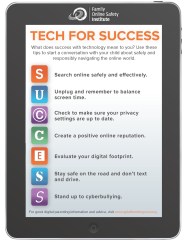
TechforSuccessMy post, Back-to-School Research Tip: Help Your Child Use Curated Online Databases, is posted over at the Platform for Good website. It describes strategies that parents and educators can use to help children understand more about quality searching and help 21st Century kids become better evaluators of their search results.

To get the new school year started in a digitally sensible way, please take a few minutes to read my post and learn ways to direct 21st Century children to resources curated by experts, materials chosen to help students get good results when they search. The more they encounter quality search results, the better they will become at recognizing poor quality when they use a less curated searching tool.

On the same page, at the right, is a wonderful graphic called Tech for Success that I will definitely use as a handout with students and their parents during the 2014-15 school year. Similar to an acrostic poem, the graphic uses the word “success,”  spelling it down the left-hand side of the page and attaching an important digital citizenship message to each letter of the word.

Posted in 21st Century Learning, digital citizenship, digital learning, digital learning resources, educating digital natives, online learning

Action Words that Describe Digital World Learning

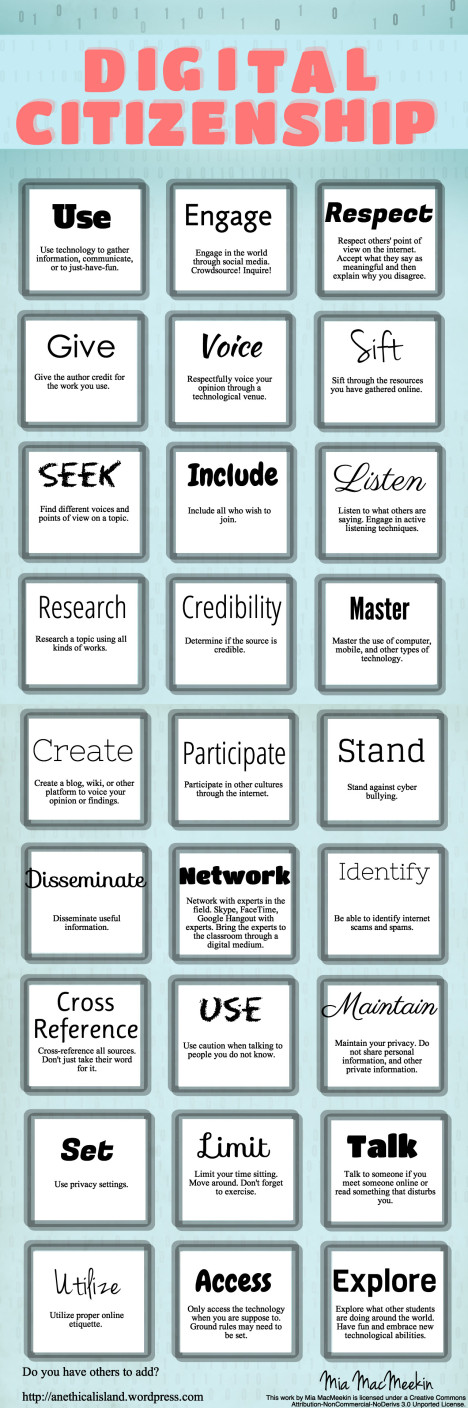
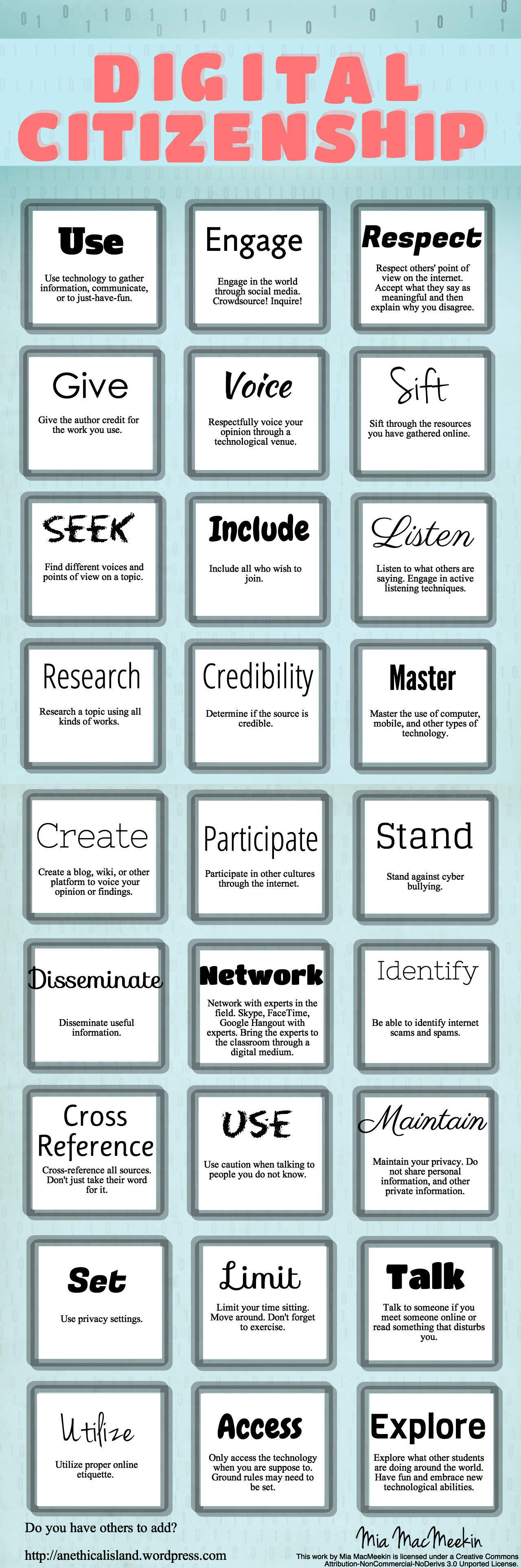
digital-citizenship Can we teach pre-adolescents and teens to reflect on what’s happening as they use digital world tools and interact with online content? Can we help them understand more about what they are doing when they work and play online?

Educators often provide a checklist or rubric for students to use as they work on assignments or projects. A rubric usually contains editing specifications, project requirements, resource documentation, and expectations — all for students to consider while completing the work.

Now I’ve discovered that Mia MacMeekin over at the An Ethical Island blog offers what I think of as a digital learning graphical rubric. The easy-to-understand graphic features World Wide Web nouns and action verbs that describe the ways people encounter, process, and use online information. MacMeekin thinks of her infographic as a digital citizenship tool, but it’s much more than that. The chart offers educators with opportunities to ask questions as they teach, and more importantly, expect students to answer them.          Continue reading “Action Words that Describe Digital World Learning”

Posted in 21st Century Learning, 21st Century parenting, digital citizenship, digital footprints, digital kids, digital learning, parents and technology

How We Teach Digital Citizenship Makes a Difference

Digital Citizenship Posters Become a Hallway Exhibit
Digital Citizenship Posters Become a Month Long Hallway Exhibit

When it comes to digital citizenship, we cannot just lecture or watch videos.

Everyone learns best by doing — whether it’s tying a shoe, mastering letter sounds, figuring out a science concept, learning to drive, parenting a new baby, or any other activity, including what we need to figure out on computers and digital devices. When people tell us how to do something by talking a lot, most of us can’t wait for the person to stop talking so we can try to do it ourselves.

Now consider how we have gone about teaching 21st Century children — at home and at school — about digital devices and digital world behavior. Mostly adults talk and talk, telling children, pre-adolescents, and teens about all the things that can go wrong and explaining what we don’t want them to do.

Over the past 15 years, I’ve spent way too much time talking to kids about digital life issues and not nearly enough time doing things with them. So these past few years I’ve changed the way I teach.                              Continue reading “How We Teach Digital Citizenship Makes a Difference”