
When we teach and interact with digital kids about their hyper-connected lives, I wish we could de-emphasize the fear factor and re-emphasize education and understanding, helping young users become stronger digital world problem-solvers. While monitoring, learning, and guiding, we also need to be sure to help kids, develop the antennae to identify and avoid a range of online problems — not just the big ones.
A day doesn’t go by without hearing an adult comment about children’s digital world risks, and invariably these conversations focus on predators, strangers, pornography, cyber-bullying and even the death of a child. In the area where I live, a grievous and tragic event is unfolding as I edit this post.
My concern as an educator is that my students, without fail, noted how important it was to be aware of the frightening situations. Their deep concern about potentially horrible Internet encounters — events that do not occur nearly as often as the mainstream media imply — obscured for many of them, the importance of many other interactive problems that happen on a daily basis to digital kids — misjudgments, miscommunications, and daily social events gone awry. It’s these problems, often the result of minor online misjudgments or typically adolescent missteps that regularly cause public humiliation and embarrassment, and such events wreak havoc on a child’s and a family’s daily life. Continue reading “On Digital Parenting Fear, Part #1 – What Risks Should We Worry About the Most?”
 Over the past couple of years, I’ve heard middle and high school kids say that they are sick-and-tired of hearing about their digital footprints — with many exclaiming that they already know what they need to know. My thought? They understand how they make digital footprints, but they don’t always make good decisions when it comes to avoiding the not-so-good digital trails.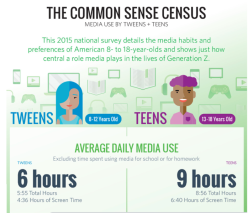




 Media! Tech! Parenting!
You must be logged in to post a comment.