Posted in 21st Century Learning, 21st Century life, digital citizenship, digital devices and gadgets, family conversations, kids changing lives, parents and technology

Digital Literacy 101 for Kids, PreK -Grade 6: A Checklist

Screen Shot 2015-10-21 at 1.09.16 PM

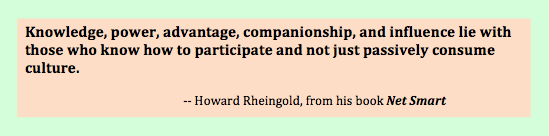
In his book Net Smart, Howard Rheingold writes that for any of us to become knowledgeable connected world users and citizens, each of us needs to develop and continually strengthen five areas of digital literacy. People who use the web wisely and with good results develop fundamental skill in five literacy areas — attention, participation, collaboration, network awareness, and critical consumption of content.

New Smart
New Smart – Read Rheingold’s Educause book excerpt.

As the lives of children, online and off, grow more complex by the day, we adults spend a good deal of our time helping them learn more about the lives they will live in a 21st Century world. We are accomplished at mentoring children in the parts of their lives that are offline, but often teachers and parents simply react to digital life problems rather than build fundamental digital literacy skills that will help children avoid problems. For kids to really be prepared to develop the five literacies that Rheingold describes, they need to build up a foundation of knowledge about the connected world environment.

How is it that children, pre-adolescents, and teens can understand how to use digital devices, consume digital culture at an early age, and even figure out digital device problems for their parents, but have only the barest knowledge about how to relate thoughtfully to people online, take complete advantage of digital resources, and solve problems rather than create them? The reason? We adults have so often put the cart before the horse. We give children their own personal devices or let them borrow ours — gadgets connect in various ways to the entire world,  albeit different ones at different ages — and only gradually go about teaching the fundamental literacy aspects later on and especially when something goes wrong.                          Continue reading “Digital Literacy 101 for Kids, PreK -Grade 6: A Checklist”

Posted in 21st Century Learning, 21st Century life, 21st Century parenting, Conversation skills, digital devices, digital health and wellness, parents and technology

Does Digital Life Distort Our Conversation Skills?

Jacket-for-Reclaiming-Conversation
Learn more about the book.

Do our conversation skills weaken as we continually connect — virtually and physically — with our digital devices? How does this always-connected environment affect our children and youth? Are conversational and empathy skills developing as they should?

Sherry Turkle describes these problems in Reclaiming Conversation, a book that relates how the individuals in many of her interviews note — uncomfortably so — that they are less and less able to carry on a conversation confidently. More worrisome, children, in general, appear to be less able to converse, put themselves in another individual’s shoes, and empathize with that person. Turkle backs up her assertions with evidence.

Continue reading “Does Digital Life Distort Our Conversation Skills?”

Posted in 21st Century Learning, 21st Century teaching, commenting, parents and technology, social media

Let’s Teach Children How to Comment

Knowing how to write a comment that is appropriate for different online settings is a critical literacy skill for 21st Century children (and also for many of their parents). Too often young comment writers end up fervently wishing they had thought a bit more about what they posted.

Screen Shot 2015-09-24 at 8.53.29 PMEducators and parents need to pay serious attention to the commenting lives of kids. While the World Wide Web and social media offer young children, pre-adolescents, and teens nearly unlimited opportunities to comment and express their opinions, problems occur when young people do not possess the impulse control skills for such unrestricted access.                             Continue reading “Let’s Teach Children How to Comment”

Posted in 21st Century Learning, 21st Century parenting, digital kids, digital parenting, parents and technology

A Few Back-to-School Posts from the Past

backtoschool postsEach year I write a back-to-school post, that challenges parents and educators to think about the ever-changing lives we live as parents and teachers in our increasingly digital world. This year my  2015 post, A Back-to-School Digital Parenting Checklist, received quite a few hits.

So today I am re-sharing several of my back-to-school pieces from the start of previous academic years. Despite how fast change occurs in our lives, these posts are still timely.                              Continue reading “A Few Back-to-School Posts from the Past”

Posted in 21st Century Learning, connected learning, digital citizenship, digital health and wellness, digital wellness, mentoring digital kids, monitoring kids online, parents and technology, teaching digital kids

Connected World Coaching for Digital Natives? Read Connecting Wisely

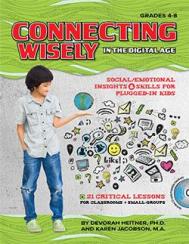
3002_01021048If you teach or think a lot about digital citizenship, take a few minutes to get acquainted with Connecting Wisely in the Digital Age. This new book is simple yet powerful, with content and context for adults who seek to support and mentor 21st Century digital kids. The goal is to help children develop a deeper understanding of the responsibilities that accompany their connected lives.

Authors Devorah Heitner, Ph.D., and Karen Jacobson, MAbase their book on a singular premise — that the 21 activities introduced in their book, when facilitated by imaginative adults, will make a positive difference in kids’ daily online lives. With its flexibility and its focus on adults as connected world coaches and mentors (not lecturers), Connecting Wisely stands head and shoulders above many other curricula in this category.                 Continue reading “Connected World Coaching for Digital Natives? Read Connecting Wisely”

Posted in 21st Century Learning, collaboration, parents and technology, professional development

To Learn More & Teach Effectively – Be Sure to Collaborate

ISTE 2015 - Philadelphia
ISTE 2015 – Philadelphia

Collaborating with colleagues from beyond our school walls helps us become stronger, better, and more innovative educators. As Oliver Wendell Holmes wrote, “Many ideas grow better when transplanted into another mind…” To that I would add, “minds from other places.”

I am attending the 2015 International Society for Technology Educators (ISTE) annual conference where it’s a bit of a zoo — a crazy, good, really busy, intellectually stimulating zoo — with people to meet, activities to learn about, lectures to hear, things to play with, information to process, and much more. Collaboration is in the air.

Continue reading “To Learn More & Teach Effectively – Be Sure to Collaborate”

Posted in 21st Century Learning, 21st Century parenting, digital footprints, digital life, family conversations, parents and technology

Parents: Discover Your Digital Footprints & Teach Your Children Well

Yes, once again it’s summer! To celebrate the season I’m writing specifically for the parents of digital kids — suggesting ways that parents can use this more relaxed time of year to learn more about their own digital footprints.

summer digital projects

While some of the activities are similar to those in a post from last year, this beginning-of-the-summer blog post aims to help parents gain a greater understanding of digital footprints for themselves — and then share this increased knowledge in conversations with their children. The longer-term goal, of course, is to ensure that each child returns to school in the fall with more knowledge about the family’s digital profile, their own digital footprints, and privacy.

Below are some suggestions to help parents get started learning.

  • Log in and visit your Google dashboard.
    Log in and visit your Google dashboard.

    Google yourself. See what digital footprints others see when they Google your name or your email address. Then go to the Dashboard, while you are logged in, and see how Google keeps track of your activities. Dashboard notes everything a person does on Google — from email to images to alerts to searches and much more. Once you finish up learning about your own digital trail, organize a family digital footprint party and help every member of the family go through the same steps.

Continue reading “Parents: Discover Your Digital Footprints & Teach Your Children Well”