Posted in assessing learning, digital citizenship, digital parenting, parents and technology, teaching digital kids

Assessing Students but Not With Grades

I’ve just finished up a digital citizenship unit with my students, covering privacy, digital footprints, digital communication and the lack of human cues, and a bit about how easy it is for a person to cyber-bully using sarcasm, criticism, and flippant comments. It’s a lot to cover in a month, but we manage quite well.

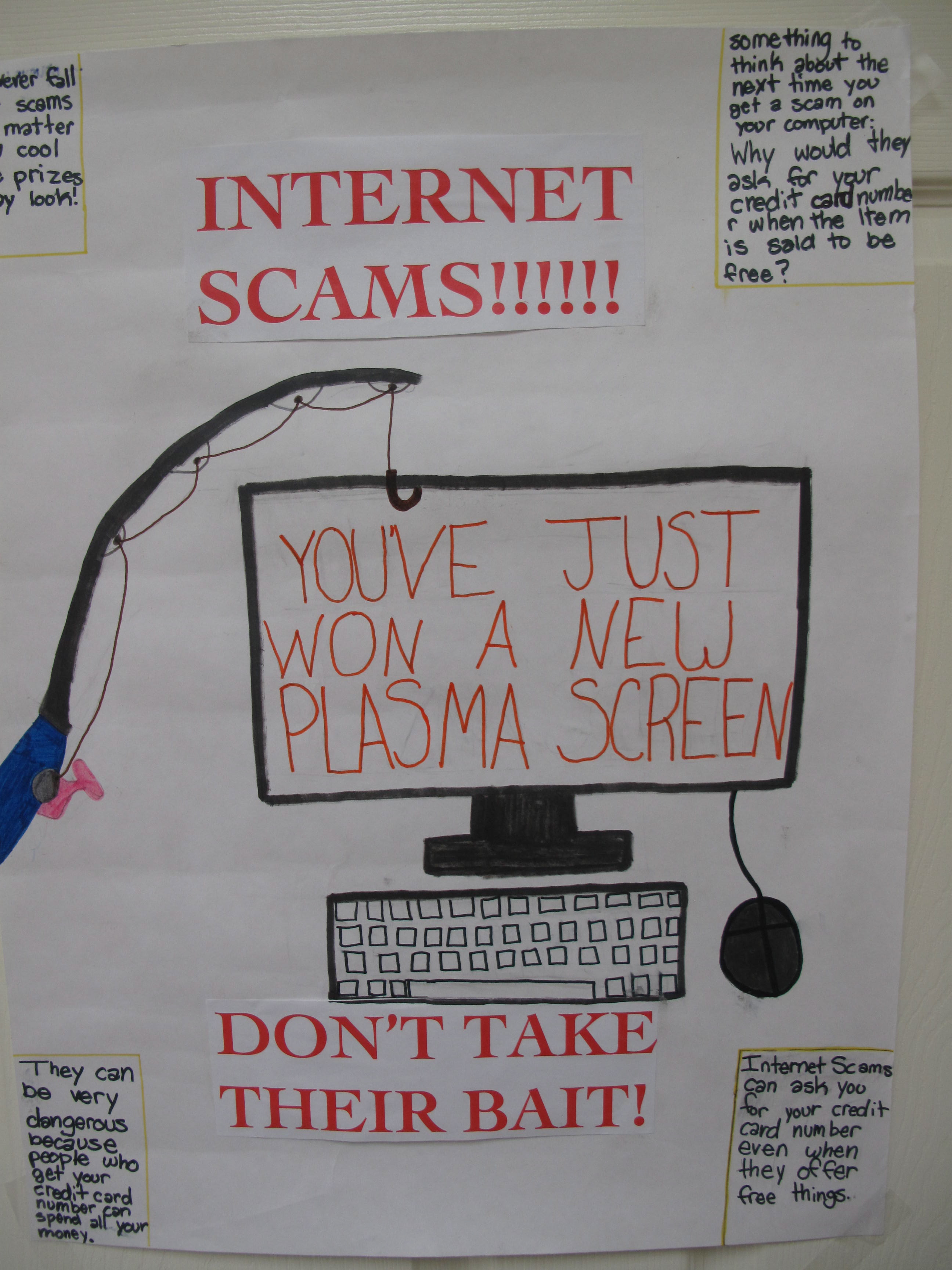
After we complete the classroom activities, and most of these are collaborative smaller projects, the children complete a final poster project. I expect the poster to communicate as much information as possible on one of the topics. The posters are not digital creations because we hang them in a school hallway — a digital citizenship exhibition — for a month in the winter.

I am always amazed at the way these posters demonstrate how much my students have learned. Some children focus on the artwork, while others are more text oriented. Still others use a computer, clip art, or a presentation tool, combining components to make their posters.  Continue reading “Assessing Students but Not With Grades”

Posted in digital parenting, family conversations, online safety, online security, parents and technology, teens and technology

Summer Vacation and Family Digital Conversations

I recommend this documentary for a summer family movie night.

Are you thinking about digital citizenship and safety conversations? Do you want to learn more about Wikipedia?  Summer is a great time for these talks. Here’s why.

School’s out and many children fill at least part of their summer days with World Wide Web activities on fast internet connections. Camps and day camps feature computer labs and lots of specialized digital programs. On the go, we increasingly carry more gadgets — mobile phones, smartphones, iTouches, Blackberries, and iPads. In fact, even on vacations and at hotels, cottages, and many of those rustic country cabins we all hope to escape to, we stay connected. After years of teaching, I’ve found that my students’ digital skills usually expand during the three-month summer hiatus from school.

Adults can learn more, too. Ask your children to help you expand your own skills. Maybe you want to download videos or save podcasts to your smartphone. Perhaps you can start a family blog, really learn how to use your digital camera, or ask your child can show you how to make special ringtones from your favorite music. If you don’t know how to text, summer is a great time to learn. Read 7 Constructive Digital Suggestions from Kids to Parents.

Continue reading “Summer Vacation and Family Digital Conversations”

Posted in digital citizenship, digital parenting, media literacy, parent child conversations, parents and technology

Kids, Parents, and Those Very Public Digital Mistakes

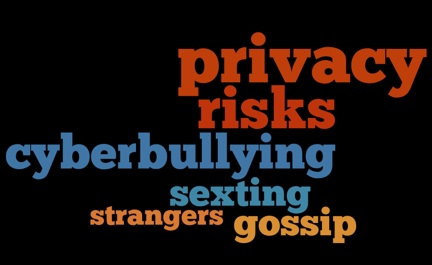
Made with Wordle.

Attention!

Another public figure has made yet another public digital gaffe, giving parents one more opportunity to engage the family in a discussion about the unrelenting power of digital tools.

Representative Weiner (D-NY) is just the latest, and it looks like public figures and celebrities will continue to make these public mistakes, like clockwork, for a long time to come. We can laugh at the ineptness of these public personalities, but the bottom line is that we are all one instant gratification click away from making a public and embarrassing error.

Although we may worry about the safety of our children and their activities on the web, most of these problems, while alarmingly publicized and widely and repetitively covered in the media, are not the biggest risk for children.

What we should dread, however, is the potential harm from a digital misjudgment spontaneously sent off via e-mail, text, Twitter, voicemail, or whatever else we all find to use in the future. Instant digital missives, unlike the gossipy handwritten notes we adults used to pass around to a few people at school, can instantly become public and humiliating. Or they can lie quietly, waiting in the vastness of the web, until some reason arises for people to seek out information about us.

The New York Times article, Erasing the Digital Past, is a must-read for everyone who uses electronic tools and toys, pointing out that the electronic world is public, permanent, and non-erasable. Watch the digital footprint video (embedded at the bottom of this post) from Harvard’s Berkman Center for Internet and Society to learn even more. Continue reading “Kids, Parents, and Those Very Public Digital Mistakes”

Posted in cyber-bullying, digital citizenship, digital parenting, family conversations, online safety, parent child conversations, parent education, parents and technology, teens and technology

Teens, Parent Anxiety, and the Internet

Made with Wordle!

Day after day frightening stories bombard us with warnings about what might happen to children and teens when they use the Internet and World Wide Web, so it’s useful to remind ourselves that these digital resources can provide our children with unparalleled opportunities to learn, socialize, and become active citizens. An article, Our Overblown Paranoia About the Internet and Teens, recently published in the online publication, Salon, provides just such a reminder.

Pediatrician Rahul Parikh, who practices in the San Francisco Bay area, points out that, despite all of our anxiety about teens and Internet risks, no statistics really exist to offer a full picture of the incidence of exposure to risk. Those few that do are often biased because of a common problem for research, posing questions to get the desired answer. Situations that do occur are often covered by a hysterical media, making us feel like a problem happens over and over, just around the corner. Continue reading “Teens, Parent Anxiety, and the Internet”

Posted in digital citizenship, digital devices and gadgets, family conversations, parent child conversations, parents and technology, setting technology limits

7 Constructive Comments: Digital Kids to Parents

With more than 30 years in teaching including more than 20 in the educational technology field, I’ve heard many kids reflect thoughtfully, and not so thoughtfully, on their parents’ digital skills.

Here are the seven most common “I Wish” statements that I’ve heard expressed by children over the last 16 or 17 years. Two of them my daughter expressed directly to me.

Kids wish … Continue reading “7 Constructive Comments: Digital Kids to Parents”

Posted in digital citizenship, digital parenting, online security, parents and technology, when to give children email

Giving Kids E-mail this Summer? 5 Tips for Parents

What is the right age for children to get personal e-mail accounts? Most of us discover, usually in hindsight, that a child’s independent e-mail account changes the context of many childhood experiences and complicates our child-rearing concerns.

E-mail connects a child to the world in ways that we parents may want to postpone. Chain mail, spam, the occasional unkind note, crazy stories, and the appearance of strange links — all are experiences that cannot be avoided, even with the best parental monitoring and regular family discussions.  Complicating the situation are the regular and age-appropriate conversations children have with one another, talking about odd and unusual electronic encounters. It’s wise to chat with teachers at your child’s school because they observe digital interactions that are different from what parents see.

Hundreds of digital options — e-mail is only one of them — are available and waiting for your child to discover them, so in the final analysis, you cannot prevent digital access. You can, however, make decisions help you focus on educating your child about digital citizenship.

5  Options to Consider When Your Child Asks for E-mail Continue reading “Giving Kids E-mail this Summer? 5 Tips for Parents”

Posted in acceptable use, digital citizenship, digital parenting, leaving comments online, online education, parents and technology

If Every Family Had a Blog…

How would digital literacy and behavior improve if more families saw blogging as a way to communicate, connect with extended family members, and teach their children the basics about global communication? Would they be thrilled that their children had a big head start developing digital citizenship skills? Would they be delighted at all of the writing taking place and take pride as they watched children develop stronger writing skills?

Blogging is safe and easily managed. While we’ve all heard the scary stories, such as people going online and writing mean comments or nasty rumors that go public or even viral — in truth just about all blogging is safe and fun. Blogging teaches people to write, revise, write more, and publish for a community of readers.

Imagine, for a moment, if a family with two children, age five and seven, along with a bunch of relatives, starts a blog.

  • Family members, including grandparents, aunts, uncles, and cousins write, post, and comment. Parents are editors and managers, at least at the beginning, modeling and demonstrating how to use technology (social media) appropriately. Gradually family members share responsibilities.
    Continue reading “If Every Family Had a Blog…”