After the December holidays, lots of digital kids are using new digital devices.
Each new digital gadget requires that parents update or introduce a family digital device action plan — akin to the rules-of-the-road that are so critical to new drivers.
These days flashy new smartphones, iPads, iPod Touches, music players, computers, laptops, notebooks, and video games are connected in some way to the exciting, but rough and tumble world of the Internet. Sometime during the first week of gadget ownership parents and children need to sit together and review digital behavior and expectations.
One of the digital citizenship posters made by my students a year or two ago.
On a fairly regular basis, a public scandal occurs, and these days just about every one of them reminds us of how ignorant people are about the transparency of their digital footprints.
If reading about the most recent scandal doesn’t convince you of how easily accessible digital footprints can be, then this November 17, 2012 Washington Post article should. In The FBI’s Long Reach Into Digital Lives, reporters Greg Miller and Ellen Nakashima describe how easily the FBI gets into an individual’s e-mails and how accessing one account leads to exploring the accounts of other people who have sent or received e-mails.
Interesting Quote from the Post Article
Investigators with a warrant to search a house for drugs can seize evidence of another crime… But the warrant does not allow them to barge into the house next door… But what are the comparable boundaries online? Does a warrant to search an e-mail account expose the communications of anyone who exchanged messages with the target?
Scandals arising from common digital mistakes can provide opportunities for adults and children to participate in family conversations, learning more about their online and networked world. However, if you do not want to talk about the scandal, that’s fine — talk about the lack of privacy that everyone experiences today. Children who make mistakes have no protection as they explore the digital world, because what they do can easily become public and embarrassing. In any past era their common and developmentally appropriate errors would mostly remain private, but with today’s speedy and electronic communication tools, that’s less and less likely.
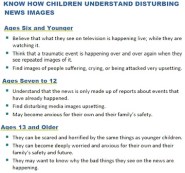
If ever there is a time to keep our media literacy skills front and center, it’s after a national disaster. Adults need to regulate and monitor what children see and, more importantly, adults need to remember that children see and hear a lot more than we sometimes think.
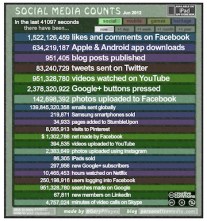
Click on the image to visit Gary’s Social Media Counter.
Have you ever wondered about how much social media interaction occurs in the digital world at any given point in time? Recently I discovered an excellent social media teaching and learning tool that helps people gaze into the always-changing world of social media content.
Over at PersonalizedMedia.com, blogger Gary P. Hayes offer a living widget with algorithms that track the approximate number of interactions in a range of social media categories — all in real time. He’s alsoturned his counter into an iPad app.
VisitSocial Media Counts —aliving statistical chart originally published in 2009 but upgraded in 2011 and 2012 — and start counting the moment you open the page. The site offers a progressive snapshot of what’s occurring in the social media universe as time moves along. It continues counting until a visitor closes the web page, and it starts counting again if the page is reloaded or if a user clicks the “now button.”
Leave the page up on your browser, come back a while later, and gaze in wonder at the growing statistics. Users can also click on the day, week, or month buttons to see different, and more massive social media statistics.
Several times recently I’ve mentioned a colleague’s blog post, A Letter to Parents of Digital-Age Students. Published at Getting Smart, this piece is so good that I’ve already shared it with half-a-dozen colleagues and handed it to several parents at my school.
Read the post.
Susan Lucille Davis, a colleague of mine and — lucky for me — a member of my personal learning network, writes about the strategies that we adults must use if we want our children to become savvy and safe digital consumers. The task for adults, whether we know a lot or a little about technology, is to support, guide, and help children as they go about learning to manage the challenges in today’s digital world. We must be adult trail guides.
While Susan Davis directs her post primarily toward parents, educators can also take her information to heart.
As parents, children, and teachers prepare for the start of a new academic year, many may enjoy reading the Harvard Business Review blog (HBR Blog) post For Those Who Want to Lead, Read. Parents of digital kids may want to take the time to share this short, thoughtful. and well-written article with family members as a back-to-school activity.
In today’s digital world, many people — including individuals who consider themselves literate — are not reading books as often or as deeply as in the past. In this HBR Blog post, John Coleman notes that reading digital chunks of content is far more common today. He provides inspiring examples of leaders who are well-read and describes in detail how reading benefits individuals who aspire to lead. Plenty of links take readers back to the sources of information that are mentioned in the article.
Best Quotes (Choosing only two was really difficult.)
Even as global literacy rates are high (84%), people are reading less and less deeply.
… Deep, broad reading habits are often a defining characteristic of our greatest leaders and can catalyze insight, innovation, empathy, and personal effectiveness.
For Those Who Want to Lead, Read concludes with recommendations that can support people who want to read more. After you peruse these suggestions, take a few minutes to think about how you might encourage the people in your family (or your students) to develop and maintain a deeper and more literary reading life?
Yet again we are living through a horrible tragedy, this time in Aurora, Colorado, and this incident is extra frightening because the shooting and killing occurred as people went about normal activities in a movie theater. What’s more a part of kids’ daily lives than movie theaters?
Any connected child or adolescent can learn about this event and others via a digital device or television. In the digital world, the news cycle never stops, and most children do not possess the media literacy skills to evaluate the sources of information. The traditional walls that used to insulate kids from information about violent events just aren’t that thick anymore.
What are digital parents and teachers to do?
If you need support or at least some extra perspective before you initiate a parent-child conversation in your family, check out a video, Explaining the News to Our Kids, over at the Common Sense Media. This short presentation provides thoughtful suggestions that can help adults get started with difficult conversations about the news when scary and discomforting events occur.

 After the December holidays, lots of digital kids are using new digital devices.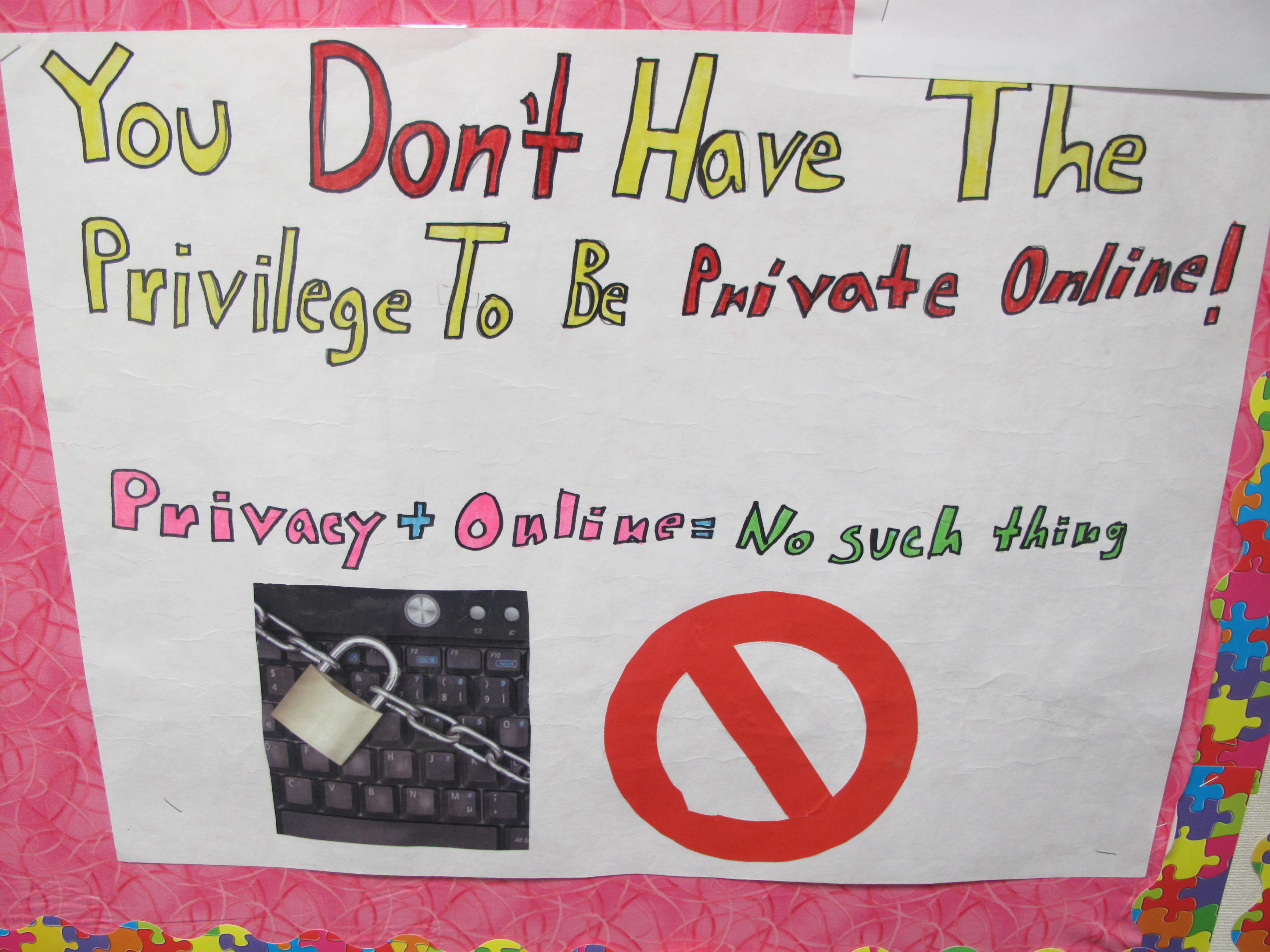



 Media! Tech! Parenting!
You must be logged in to post a comment.