Posted in digital kids, digital parenting, kids' advice for parents, parent child conversations, parents and technology

Advice from Digital Kids to Parents

Given the chance, kids can offer remarkable insight — good ideas for their parents to consider.

I’ve heard many kids reflect thoughtfully, and not so thoughtfully, on their parents’ digital skills. I often hear my students wonder aloud about why parents don’t always model the digital citizenship expectations that they want their children to learn and apply.

I wish my parents wouldBelow are the nine most common “I Wish” statements expressed over the past several years by digital children that I teach.  Two of them, I’ll admit, were even mentioned to me by my daughter some years ago. Mea culpa…

Kids Wish Their Parents and Other Adults Would

  1. Try to learn a lot more about computers in particular and technology in general.
  2. Stop saying they don’t know much about technology (mom’s especially)
  3. Not use Blackberries and phones at sports games and school events.
  4. Don’t talk on the phone so much in the car.
  5. Learn to play some of the kids’ online games.
  6. Understand more about helping with searches on the Internet.
  7. Understand how hard it is to learn the technology rules and regulations and not always threaten to take away technology access when there’s a problem.
  8. Stop automatically saying that new things like Wikipedia are questionable.
  9. Try not to act dumb about technology. Even if you don’t understand something, please act like you want to learn new things.        Continue reading “Advice from Digital Kids to Parents”
Posted in digital citizenship, digital devices and gadgets, digital kids, digital learning, digital parenting, parents and technology

Back-to-School Digital Parenting Tips – 2013

The back-to-school season is a great time for adults to think about what they can do to help children avoid some of the typical online and social media mistakes and difficulties.

backtoschool cyber rules

These adult strategies can help elementary and middle school children develop safe, secure, and disciplined digital life skills.

Teachers can also share this list with the parents of their students.

Posted in 21st Century Learning, attributing sources, digital kids, digital learning, digital learning resources, parents and technology, plagiarism

Thoughts About Plagiarism in the Digital World

Designed with Wordfoto!

Originality matters when digital children write and learn, but many 21st Century students have considerable difficulty understanding what the idea of original content really means.

Check out How the Internet Affects Plagiarism at KQED Mindshift, a blog post that describes how plagiarism is evolving in today’s digital world. According to the article, students today do less looking for “unoriginal content” at sites that sell papers or other pre-written documents (compared to the past), and they use lots more content from the almost unlimited digital resources that are available on the Internet.

Mindshift’s post is based on a recently published white paper published by TurnItIn, one of the most well-known plagiarism detection software tools. The paper points out how today’s students tend to discover and share work via social media, use Wikipedia regularly, and continue to copy content from encyclopedias. Read the article for a more thorough summary.       Continue reading “Thoughts About Plagiarism in the Digital World”

Posted in blogging, blogging to get well, digital kids, digital parenting, parents and technology, technology and health problems

A Thoughtful Teen Describes His Healthcare Journey

I’ve been following a well-written blog by a young man named Josh, in his teens, who describes his experiences during the discovery of a brain tumor, the surgery to remove it, and his subsequent chemotherapy treatments (still going on). Believe me, these posts, on his blog called Josh’s Journey, are compelling and riveting to read, largely because he is a careful observer and a good writer.

Visit Josh's blog.
Visit Josh’s blog.

Josh assumes the role of a journalist, focusing on details, experiences, and his reactions as his medical team goes about providing his care. Readers learn what it’s actually like to proceed, step-by-step first with surgery and then with subsequent medical treatments at the Children’s Hospital of Philadelphia (CHOP).

Writing must be helpful, perhaps even therapeutic, as Josh confronts uncomfortable medical procedures, but it’s extraordinary that he sustains his writer’s voice, objectively sharing observations and perspectives about the challenging process of fighting a tumor.

Continue reading “A Thoughtful Teen Describes His Healthcare Journey”

Posted in digital devices, digital kids, digital parenting, media and family life, networking, parenting, parents and technology

Digital Parenting: Recently Released Research from Northwestern University

Media & Family Conflicts
One of many charts and graphs in the report.

A new study, Parenting in the Age of Digital Technology, was recently released by Northwestern University’s Center on Media and Human Development. The 52-page report is easy to read and chock full of interesting graphics and charts.

Data were gathered through a survey of 2,326 parents whose children were eight years old and younger. The surveys were conducted in English and Spanish. Check out page nine of the report for more information on the methodology of the research project.

Most Interesting Report Findings (more are available in the report)

  • A large number of the parents in the survey do not believe that increased use of media has made parenting easier.
  • Most parents in the survey did not report many or significant family conflicts around media use.
  • There continues to be a big gap between those who can afford new digital devices and those who cannot afford them.
  • The study identified three types of parenting styles when it comes to family media use.
    1. Media-centric family life centers around various types of screens, and parents as well as children enjoy using media a lot of the time.
    2. Media moderate family life includes less media access, and the television is turned off a lot more of the time. Video games are not as important to daily life as in a media-centric family.
    3. Media lite family life includes screen time but less than the other two parenting styles. They tend to do to less television watching as a family, and they do not use television to distract children so that parents can accomplish other tasks.

The blog at the Joan Ganz Cooney Center at Sesame Workshop also describes the study in detail.

Posted in digital kids, parents and technology, privacy, social media, social networking

Teens, Social Media and Privacy — From Pew Internet

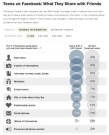
Teen Sharing Facebook PewData from a joint Pew Internet and Harvard Berkman Center research report, Teens, Social Media and Privacy, identify a discrepancy between the ways teens and adolescents preserve their privacy and their lack of concern about the invasive collection of personal information by third parties.

The May 21, 2013 report also points out that while teens are increasing the amount of sharing they do on social media, many adolescents are tiring of Facebook because so many adults use the site and because of the excessive sharing that Facebook seems to prod people to do. The researchers gathered much their Facebook data through focus groups. Continue reading “Teens, Social Media and Privacy — From Pew Internet”

Posted in American Academy of Pediatrics, and media, digital kids, parents and technology, when tragedies strike

What to Say to Kids After We Are Saturated With Horrific Images

MD Momma
Check out helpful links for parents are at the end of this column.

We are all still reeling from the explosions at the finish line of the Boston Marathon.

For parents of digital kids, who with their children take all-the-time media access for granted, the greatest challenge is to figure out how to moderate what their youngsters see and hear in the days immediately following an event. It’s especially difficult because adults often want to be updated continuously by media resources.

Here’s a Boston Globe article with suggestions about how parents can help children feel safer and more secure after frightening events. Written by pediatrician Claire McCarthy for her MD Mama column, the piece also offers links to additional resources on parenting after scary, media-saturated events. Dr. McCarthy reminds parents that they can get their updates from smartphones and laptops rather than keeping a radio or television turned on.

shooting tips quote
This graphic links to the MGH article.

 Best Quote

        “…as parents, we don’t get the luxury of processing and dealing separately from our children.”

Massachusetts General Hospital, where many injured people were taken, has posted How to Talk to Kids Following the Boston Marathon Tragedy, including the excellent graphic on the left. 

You might also find it helpful to read blog posts, one that I wrote after the 2011 tsunami in Japan, Media Literate Disaster Discussions Balance Concern With Hope, and another, Talking to Children About the News.

Resources for parents and educators are also available at the American Academy of Pediatrics (AAP) website.