Posted in acceptable use, American Academy of Pediatrics, cell phones, digital citizenship, digital devices and gadgets, digital parenting, digital photography, parents and technology

Evaluating websites: Be Sure of the Quality!

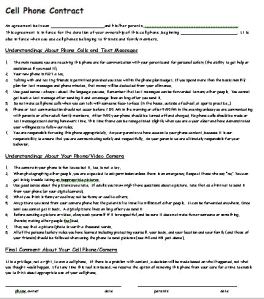
Download the phone contract PDF.

It’s May and every year at this time I work extensively with fifth graders on podcasts and other multimedia projects. Each year the students’ conversations drift toward their anticipation of sixth grade, middle school … and new cell phones. A connection exists, in their minds, between the first year of Middle School and getting the all-important digital accessory. Actually, the kids feel it’s an accessory, but their parents consider it a lifeline — something to keep them connected to their children whenever it’s necessary (and sometimes when it isn’t that necessary).

A good getting-started article to read is the New York Times piece When to Buy Your Child a Cell Phone, written by reporter Stephanie Olsen in June 2010. While quite a few children now have cell phones in sixth grade, a few parents prefer to wait to purchase a child’s phone for a year or so beyond the start of Middle School. Common Sense Media’s cell phone page provides lots of helpful information for parents, including a short video to assist with the decision-making process. The American Academy of Pediatrics (AAP) Healthy Children website also has an article, Cell Phones, What’s the Right Age?

Continue reading “Evaluating websites: Be Sure of the Quality!”

Posted in cell phones, interesting research, parents and technology, risky behavior

Technology and Sleep

Click to see one-page report profile.

Parents need to be vigilant about the amount of sleep their children get each night. In fact everyone in a family needs to be aware that pre-bedtime gadget habits may decrease the quality of nighttime sleep.

Technology gadgets, computers, television sets, even glowing alarm clocks and radios, are interrupting sleep patterns according to a Reuters article, Not Getting Enough Sleep? Turn off Technology. The article reports on the Sleep in America poll (full 76 page report), carried out by the National Sleep Foundation (NSF). The poll surveyed 1,508 people, ages 13 – 64. Click on the image at the top left to see a one-page summary of sleep habits for all age groups.

Part of the problem is that people stare at very bright screens just before bed or go to bed with glowing screens surrounding them. Another issue is that people, including adolescents and teens, leave devices on at night while they are sleeping so phone calls and text messages often interrupt sleep. This is risky behavior for everyone, but especially for adolescents who need sleep to learn effectively and grow.

Findings for Students Age 13 – 18 Include Continue reading “Technology and Sleep”

Posted in acceptable use, cell phones, digital devices and gadgets, digital parenting, parent child conversations, parents and technology

Parents and Electronic Devices: Taking Time Out?

We’ve all seen them. Perhaps people have seen one of us. The temptation to use a phone or smart device,  no matter where we are or what we are doing — even when we are with our kids — is way, way too strong.

I keep seeing children being pushed around by people (parents?) on telephones.  Sometimes children are playing along in yards or parks, not watched over because the parents are tapping or merely talking on their smart phones. The trouble is, this used to be quality time – enjoyable and relaxed interaction — pointing out dogs, discovering leaves, and learning new words for all sorts of things.

Read Anybody: Parents are Ignoring their Children for their Blackberry in the February 1. 2011 Washington Post. Here’s a short quote, but check out the whole article. Continue reading “Parents and Electronic Devices: Taking Time Out?”

Posted in cell phones, digital devices and gadgets, electronics show, parents and technology, technology changes

CES – Consumer Electronics Show

What’s a parent to do when an unrelenting parade of electronics gadgets and devices appears on the scene and especially on kids’ radars? How can we keep up, let alone be prepared and figure out a few things? To learn a bit, pay attention to the articles and blog posts coming out of the 2011 Consumer’s Electronic Show, occurring now and ending on January 9, 2010 — but the content will be timely for months. A good number of products, some on the cutting edges, debut at the show, though some are not available for purchase  right this minute, and more than a few others may not even be in production yet. Most of the items, however, will be at your local or online vendor quite soon.

For instance… Need a gadget to help you take better pictures because yours are always blurry or bothered by too much light? Check out the Kodak easy-share camera at left, due out soon, a product that is supposed to figure out how to take a good picture even when you have no idea how to do it.

Continue reading “CES – Consumer Electronics Show”

Posted in cell phones, iPhones and iPads, parents and technology, technology support

Useful Info for iPhone and iPad Owners

If anyone in your family received a iPad or iPhone for a holiday gift (I discovered an iPad under my tree.), or if you already have these devices in your home, consider getting acquainted with the Today in iOS podcast series, a program series that devotes itself  to the world of  iPads and iPhones.

Originally called Today in iPhone — I’ve been listening since May 2009 — its name morphed in the spring of 2010 when Apple released the iPad. Subscribe to the podcast from iTunes or download the programs from the program website. Today in iOS also has its own nifty app, enabling users to download and listen to programs without going through the machinations of syncing and downloading from iTunes. Very handy.

Click to visit!

Whether you own a personal iOS devices or merely supervise your child’s ownership, this is the place to find interesting information about apps, answers to questions, and lots and lots of background information. Listeners can e-mail, call, or even use the recording app on their devices to make and send an audio message. An archive of past shows on the Today in iOS website, and sometimes I download a group of older programs and listen to them in while I am driving.

Continue reading “Useful Info for iPhone and iPad Owners”

Posted in cell phones, digital parenting, online security, online tracking, parents and technology, teens and technology

Do You and Your Child Have ANY Digital Privacy?

New gadgets are great with new capabilities, advanced features, stellar communications, and exciting applications. Everything is perfect, right? Not really and especially not with the smart devices that children and adolescents carry.

As I work and play with my iPhone and iPad, the world seems pretty good. Yet, on the down side is my decreasing privacy. My two devices share a lot of my personal information with others — something I hardly ever think about when I am using the iPhone or iPad. Thinking, however, is a good idea, as is looking over a child’s Internet-connected devices and talking about what should be turned on and what should be turned off.

Continue reading “Do You and Your Child Have ANY Digital Privacy?”

Posted in acceptable use, cell phones, digital citizenship, family conversations, parents and technology, teens and technology

Make a Digital Action Plan for Kids’ New Gadgets

 Any time a child receives a new digital device, parents need to update or introduce a digital gadget action plan — something akin to the rules-of-the road that are so critical to new teenage drivers. Flashy new smartphones, iPads, iPod Touches, music players, computers, laptops, notebooks, and video games — most connected in some way to the exciting, but rough and tumble world of the Internet — require parents to focus just as intently as they do on driving lessons. Sometime during the first week of gadget ownership, and especially before school vacation ends, sit down with your child and go over the expectations in your action plan.

My New iPad

Even as a youngster thrills to the capabilities of a new device, the potential for digital mistakes and judgment errors exists. A short, sarcastic comment or text can be perceived as cyber-bullying when it reaches its destination. A game can be played online with someone who is more interested in your child than the game. A couple of less than thoughtful words, sent to one person, can be forwarded easily and embarrassingly to many others. The right time to talk about acceptable use and intention versus consequence is when the device is new.

A digital action plan — an agreement, contract, or list of guidelines between you and your child — anticipates potential issues and lays out specific expectations that will arise when a youngster uses a digital device in the wider, less supervised, world.

A Few Points to Emphasize in Conversations With Your Child Continue reading “Make a Digital Action Plan for Kids’ New Gadgets”