Posted in 21st Century Learning, digital devices and gadgets, parents and technology, social networking, when kids make mistakes, when to give children email

Your Brain is the Final Spell Checker!

The process of spell checking is a two-part endeavor, and it’s an important digital world lesson for everyone — kids and adults — to master.

Part one features the work of the computer or website, as the spell check program goes to work. But after the digital spell check process a bigger responsibility lies ahead.

Each time a person writes and rewrites, he or she must spell check the spell checker — an important 21st Century skill. And while a commitment to differentiated instruction requires teachers and parents to recognize that some writers will be better at this second step than others, all students need to understand that the digital editing process cannot identify every mistake.

This poem always makes the point effectively with my students. Use it as a great conversation piece (and also to review homonyms) — over 2012 Easter and Passover dinner tables or any other time.

And if you put the words of this poem into Google search, you’ll discover that there are many other versions.


Human Brain Not Yet Obsolete

I have a spelling checker.

It came with my PC:

It plainly marked four my revue   Continue reading “Your Brain is the Final Spell Checker!”

Posted in cultural changes, digital parenting, parent child conversations, parents and technology

Staying Power — Is there Such a Thing Anymore?

My First Palm (PDA)

I’ve been thinking a lot about staying power and about the importance of understanding just how fast things can change in the digital world. Both are great topics for family conversations about 21st Century life.

My Current iPhone 4S

In Bye Bye BlackBerry. How Long Will Apple Last? Forbes writer Adam Thierer describes a historical pattern — digital information giants rising and eventually declining when something better, more interesting, and useful comes along.

Using Blackberry as the current example, with occasional references to Palm devices, Thierer points out that these companies are classic examples of companies, “… with a static snapshot mentality disregarding the potential for new entry and technological disruption.”

I’ve never owned a personal computer other than a Mac, so I understand a lot about rising and falling fortunes and how Apple is currently riding high. I also, fondly remember my first Palm device and how revolutionary it seemed.

Still, it’s interesting to think about what new and exiting gizmos may be residing in someone’s garage, basement, hard drive — or imagination — and how revolutionary they may seem compared to the products we love right now.

Posted in digital parenting, family conversations, media literacy, parents and technology, teaching

Media Literacy in Bhutan

Question: What’s the last nation in the world to have television reception?

Answer: Bhutan, which used to be an absolute monarchy and is now building democratic institutions as a constitutional monarchy.

Bhutan map from the CIA Factbook.

What a great bit of digital world trivia to begin a family media literacy conversation!

According to this press story from Ithaca College, the Kingdom of Bhutan invited representatives from the school’s media literacy initiative, Project Look Sharp, to work with the Ministry of Education and help train the country’s teachers to understand and use media literacy principles.

As Bhutan develops democratic institutions, encouraging citizens to assume the responsibilities of civic participation, the country’s leaders want to ensure that the strengths of traditional Buddhist life are not overwhelmed by the exposure to western media influences.

Continue reading “Media Literacy in Bhutan”

Posted in digital devices and gadgets, digital parenting, family conversations, parents and technology, Screen-Free Week, setting technology limits, teaching digital kids

Screen Free Week — for Schools, Churches, and Families

Take the Screen Free Week Challenge!

Every year the Campaign for a Commercial-Free Childhood sponsors Screen Free Week. 

The April 30-May 6, 2012 week-long activity, which for years was a turn-off-the-TV event, aims to encourage children and their families (and yes, adults with their digital devices), to be less dependent on activities in front of screens, encouraging all of us to consider other types of activities such as reading, playing outside, board games and exercise.

The point of Screen-Free Week is not to forget about digital activities, stop doing homework, and ignore the work that needs to be accomplished each day. Rather it’s a time to think carefully about the digital screen logjam in our lives and consider just how much time we are spending in front of  TV, computers, iPods, iPhones, Blackberries, and other gadgets — and whether some of that time is better used for other things.

Just about everyone needs to come up with strategies to balance screen time activities with the rest of our lives, perhaps adding a bit more variation and creativity to our daily endeavors. But the week can also be a time to think about the quality of life. We should be asking ourselves, “How can we use our devices to learn and collaborate more, and are there ways they might help us grown into more productive citizens?”

The organization’s website describes the week as a celebration. Continue reading “Screen Free Week — for Schools, Churches, and Families”

Posted in cyber-bullying, digital devices and gadgets, digital downloading, Evaluating Web Resources

Terms of Use, Readability, and Digital Kids

Check the terms of use readability level at your favorite sites.

Just about every time I head over to iTunes to purchase something, I’m all set to finish up when the site diverts me to a change in the terms of use. It happens at lots of sites.  And each time I click to look at a site’s terms of use, it’s a longer document — 40 pages, 41, 42… Now I don’t object to changes or even insisting that users check things out, but terms of use are abstract and arcane and not especially easy to read or even understand.

I’ve always thought it would be an interesting conversation topic for parents and kids — taking a few minutes to look at those terms of use statements that most people accept and go right by, and helping children discover a bit about the fine print.

About eight months ago, I read a posting about terms of use documents, C’mon! Match Terms of Use Text to Users’ Comprehension Level, written by Linda Criddle over at the I look Both Ways blog.

Criddle described her experience examining terms of use documents posted on well-known and popular websites. She looked over the terms of use documents for the sites such as the New York Times, Amazon, iPhone, Club Penguin. Then she ran each document through a readability index – a tool that examines a passage and estimates how easy or hard it will be for a person to read the words, as well as what level of education the reader might need to comprehend the information. Continue reading “Terms of Use, Readability, and Digital Kids”

Posted in cell phones, copyright, digital photography, electronic communication, plagiarism, resources to read, setting technology limits, tech free time, writing for the web

9 Family Digital Citizenship Tips: Back-to-School Reading #5

The beginning of a school year is a good time for families to set limits, explain rules, and in general, clarify expectations about technology use. Getting started in the fall, when everyone is off to a new grade and a fresh beginning, encourages healthy tech habits.

Depending on the age of your children, you may want to accomplish some or even all of the tasks on this list, encouraging everyone to think responsibly and become committed digital citizens.

Nine Back-to-School Technology Tasks

1. Place computers in central, well-traveled locations — away from bedrooms and private spaces.

2. Be sure adults, not children, are administrators on the computers and devices in your  home — including laptops and other digital devices.

3. Print and post rules and expectations next to each computer. Specify the times when you do not want your children using computers. Emphasize that your family rules are in effect when children go to a friend’s house. Share my digital citizenship poem that highlights issues to consider. Continue reading “9 Family Digital Citizenship Tips: Back-to-School Reading #5”

Posted in attributing sources, digital learning, digital parenting, family conversations, parents and technology, plagiarism, research on the web

In a Digital World: Always Attribute Sources! Back-to-School 2011

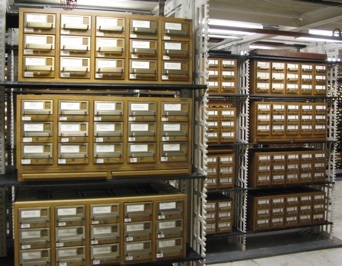
Old card catalog drawers at the Library of Congress

When I was in what we used to call junior high, working on my first bona-fide school research projects, mired down with things to read, and wishing to be finished, my father reminded me over and over again, “… you cannot attribute too much, only too little.” Even now, years later, with only a few words written on a page, I start thinking about Dad’s attribution credo.

Every parent of digital kids needs to share Dad’s strategy whenever children are working on school projects and papers. It is way too easy, in this age of Google, Wikipedia, and easy instant access to digitized scholarly articles, to write about another person’s ideas without giving credit.

I was reminded of my dad when I read the September 11, 2011 Washington Post Ombudsman column. In Plagiarism or Poor Attribution? Patrick B. Pexton writes about an op-ed piece on women and computer programming that appeared two weeks earlier, one that described how many woman used to be programmers. Pexton wonders if the author credited enough of her sources. Continue reading “In a Digital World: Always Attribute Sources! Back-to-School 2011”