Posted in American Academy of Pediatrics, digital devices and gadgets, digital parenting, parents and technology, tech free time

iPad Crazed Kids? OK, but Are They Also Learning How to Play With Others?

I’ve just read a November 28, 2011 Bloomberg article, iPad Crazed Toddlers Spur Holiday Sales. OK, the title is a bit overly dramatic, but it’s an interesting read, describing the demand for tablets of all kinds and kids’ motivation to use them.

Seriously, though, the tone of the article makes me worry a bit. As a confirmed techie, gadget lover, educational technology specialist, teacher, and parent, I know that children also need lots of outside play time and plenty of experiences working/playing with others. We don’t know what the jobs will be in 15 years when these kids are looking for employment, but we do know that their superior technology skills will matter little if they don’t have great people skills — understanding how to share, take turns, and work collaboratively.

The article reminds parents about the American Academy of Pediatrics recommendations about no screen time (or very little of it) for children under two years of age. And please — this is a plea from me — avoid, as much as possible, using these digital devices as electronic pacifiers, the term used in the article by Victoria Nash of the Oxford Internet Institute (England).

Continue reading “iPad Crazed Kids? OK, but Are They Also Learning How to Play With Others?”

Posted in digital devices and gadgets, digital parenting, family conversations, parent child conversations, parents and technology

Is It Spying or Is It Parenting?

A look at the browsing history in Safari

Recently I read Tracy Grant’s article, The Case for Spying on Your Kids, in the October 5, 2011 Washington Post, and it’s well worth reading. Grant believes that parents should keep close track of their children’s online activities. After I finished the article I decided it’s unfortunate that so many people equate keeping an eye on a child’s digital activities with spying. It’s not spying.

From my perspective, it’s just fine for parents to closely supervise the digital activities of kids, just like parents supervise non-digital endeavors. Understanding what’s going on, setting limits, teaching children to follow website rules, and defining expectations — as children encounter more and smaller personal computers and digital gadgets — are important responsibilities. Knowing what’s going on is a part of parenting.

Yet learning about what’s going on takes time, a scarce resource for many adults, and the situation gets even more complicated because the digital skills of many children outpace their parents.

Grant describes her conversation with Steven Balkam of the Family Online Safety Institute (FOSI) (this organization has a website that parents may want to explore), and she also mentions a new monitoring service, SafetyWeb

In Grant’s article Balkam points out, “The history button on a computer is a very important tool for parents.”

The digital world offers many opportunities to help children learn, collaborate, and grow as digital citizens, and we want our children to become literate and savvy consumers of online resources. Strong digital parenting — even when a parent is in awe of a child’s online prowess — is one of the ways to ensure that children grow into confident, respectful, and competent learners.

I recommend reading the book Born Digital, by John Palfrey and Urs Gasser. The authors, from the Berkman Center for Internet and Society at Harvard, focus on the changing nature of growing up in the digital world.

Posted in acceptable use, American Academy of Pediatrics, cell phones, digital citizenship, digital devices and gadgets, digital parenting, digital photography, parents and technology

Evaluating websites: Be Sure of the Quality!

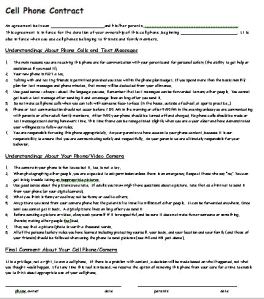
Download the phone contract PDF.

It’s May and every year at this time I work extensively with fifth graders on podcasts and other multimedia projects. Each year the students’ conversations drift toward their anticipation of sixth grade, middle school … and new cell phones. A connection exists, in their minds, between the first year of Middle School and getting the all-important digital accessory. Actually, the kids feel it’s an accessory, but their parents consider it a lifeline — something to keep them connected to their children whenever it’s necessary (and sometimes when it isn’t that necessary).

A good getting-started article to read is the New York Times piece When to Buy Your Child a Cell Phone, written by reporter Stephanie Olsen in June 2010. While quite a few children now have cell phones in sixth grade, a few parents prefer to wait to purchase a child’s phone for a year or so beyond the start of Middle School. Common Sense Media’s cell phone page provides lots of helpful information for parents, including a short video to assist with the decision-making process. The American Academy of Pediatrics (AAP) Healthy Children website also has an article, Cell Phones, What’s the Right Age?

Continue reading “Evaluating websites: Be Sure of the Quality!”

Posted in digital devices and gadgets, digital parenting, parents and technology, risky behavior, scams and fraud

Technology Scams: An Overview

In the digital era, parents need basic knowledge of online scams that have the potential to cause mayhem on a family’s digital devices

A quick and easy-to-read overview of potential online  scams, Social-Media Scams Abound but They Can be Avoided, appeared in the Washington Post on November 14, 2010.  The Kiplinger Personal Finance article, by Casey Mysliwy, goes over three types of malicious behaviors that can trip-up even the most savvy digital media users. If you missed this description of potential digital problems, take some time to read the article as well as share it with family members who computers, the web, or smart phones. The three potential scams are:

  1. Messages that involve money transfers and seek personal information;
  2. Applications that offer a quiz, game, or other method that encourage you to share personal details; and
  3. Shortened URL (web addresses) that hide a destination’s true identity because the address is simply a group of characters.

You can also check out 5 Social Media Scams at the Norton AntiVirus site and New Jersey Officials Warn Residents About Social Media Scams at the New Jersey Today website.

Posted in cell phones, digital devices and gadgets, electronics show, parents and technology, technology changes

CES – Consumer Electronics Show

What’s a parent to do when an unrelenting parade of electronics gadgets and devices appears on the scene and especially on kids’ radars? How can we keep up, let alone be prepared and figure out a few things? To learn a bit, pay attention to the articles and blog posts coming out of the 2011 Consumer’s Electronic Show, occurring now and ending on January 9, 2010 — but the content will be timely for months. A good number of products, some on the cutting edges, debut at the show, though some are not available for purchase  right this minute, and more than a few others may not even be in production yet. Most of the items, however, will be at your local or online vendor quite soon.

For instance… Need a gadget to help you take better pictures because yours are always blurry or bothered by too much light? Check out the Kodak easy-share camera at left, due out soon, a product that is supposed to figure out how to take a good picture even when you have no idea how to do it.

Continue reading “CES – Consumer Electronics Show”

Posted in cell phones, digital parenting, online security, online tracking, parents and technology, teens and technology

Do You and Your Child Have ANY Digital Privacy?

New gadgets are great with new capabilities, advanced features, stellar communications, and exciting applications. Everything is perfect, right? Not really and especially not with the smart devices that children and adolescents carry.

As I work and play with my iPhone and iPad, the world seems pretty good. Yet, on the down side is my decreasing privacy. My two devices share a lot of my personal information with others — something I hardly ever think about when I am using the iPhone or iPad. Thinking, however, is a good idea, as is looking over a child’s Internet-connected devices and talking about what should be turned on and what should be turned off.

Continue reading “Do You and Your Child Have ANY Digital Privacy?”

Posted in acceptable use, cell phones, digital citizenship, family conversations, parents and technology, teens and technology

Make a Digital Action Plan for Kids’ New Gadgets

 Any time a child receives a new digital device, parents need to update or introduce a digital gadget action plan — something akin to the rules-of-the road that are so critical to new teenage drivers. Flashy new smartphones, iPads, iPod Touches, music players, computers, laptops, notebooks, and video games — most connected in some way to the exciting, but rough and tumble world of the Internet — require parents to focus just as intently as they do on driving lessons. Sometime during the first week of gadget ownership, and especially before school vacation ends, sit down with your child and go over the expectations in your action plan.

My New iPad

Even as a youngster thrills to the capabilities of a new device, the potential for digital mistakes and judgment errors exists. A short, sarcastic comment or text can be perceived as cyber-bullying when it reaches its destination. A game can be played online with someone who is more interested in your child than the game. A couple of less than thoughtful words, sent to one person, can be forwarded easily and embarrassingly to many others. The right time to talk about acceptable use and intention versus consequence is when the device is new.

A digital action plan — an agreement, contract, or list of guidelines between you and your child — anticipates potential issues and lays out specific expectations that will arise when a youngster uses a digital device in the wider, less supervised, world.

A Few Points to Emphasize in Conversations With Your Child Continue reading “Make a Digital Action Plan for Kids’ New Gadgets”