Posted in digital citizenship, digital parenting, media literacy, parent child conversations, parents and technology

Kids, Parents, and Those Very Public Digital Mistakes

Made with Wordle.

Attention!

Another public figure has made yet another public digital gaffe, giving parents one more opportunity to engage the family in a discussion about the unrelenting power of digital tools.

Representative Weiner (D-NY) is just the latest, and it looks like public figures and celebrities will continue to make these public mistakes, like clockwork, for a long time to come. We can laugh at the ineptness of these public personalities, but the bottom line is that we are all one instant gratification click away from making a public and embarrassing error.

Although we may worry about the safety of our children and their activities on the web, most of these problems, while alarmingly publicized and widely and repetitively covered in the media, are not the biggest risk for children.

What we should dread, however, is the potential harm from a digital misjudgment spontaneously sent off via e-mail, text, Twitter, voicemail, or whatever else we all find to use in the future. Instant digital missives, unlike the gossipy handwritten notes we adults used to pass around to a few people at school, can instantly become public and humiliating. Or they can lie quietly, waiting in the vastness of the web, until some reason arises for people to seek out information about us.

The New York Times article, Erasing the Digital Past, is a must-read for everyone who uses electronic tools and toys, pointing out that the electronic world is public, permanent, and non-erasable. Watch the digital footprint video (embedded at the bottom of this post) from Harvard’s Berkman Center for Internet and Society to learn even more. Continue reading “Kids, Parents, and Those Very Public Digital Mistakes”
Posted in acceptable use, American Academy of Pediatrics, cell phones, digital citizenship, digital devices and gadgets, digital parenting, digital photography, parents and technology

Evaluating websites: Be Sure of the Quality!

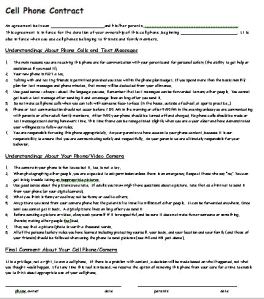
Download the phone contract PDF.

It’s May and every year at this time I work extensively with fifth graders on podcasts and other multimedia projects. Each year the students’ conversations drift toward their anticipation of sixth grade, middle school … and new cell phones. A connection exists, in their minds, between the first year of Middle School and getting the all-important digital accessory. Actually, the kids feel it’s an accessory, but their parents consider it a lifeline — something to keep them connected to their children whenever it’s necessary (and sometimes when it isn’t that necessary).

A good getting-started article to read is the New York Times piece When to Buy Your Child a Cell Phone, written by reporter Stephanie Olsen in June 2010. While quite a few children now have cell phones in sixth grade, a few parents prefer to wait to purchase a child’s phone for a year or so beyond the start of Middle School. Common Sense Media’s cell phone page provides lots of helpful information for parents, including a short video to assist with the decision-making process. The American Academy of Pediatrics (AAP) Healthy Children website also has an article, Cell Phones, What’s the Right Age?

Continue reading “Evaluating websites: Be Sure of the Quality!”

Posted in digital parenting, family conversations, parent child conversations, parents and technology, social media

Quick YouTube Guidance for Parents at Your School or Organization

Last week an acquaintance asked me how a parent might protect their kids, at least a bit, from some of the more inappropriate content that YouTube may show to young children. Like so much in the social media world, YouTube is fun to use and filled with amazing and seemingly unlimited content, but the best guides are parents and teachers who are confident and careful users.

The best guidance I’ve found is at the Common Sense Media site. The organization’s YouTube and Your Kids page contains explanations, suggestions, and a link to a parent handout about YouTube. YouTube also has a Parent Resources page on its site, developed in collaboration with Common Sense Media.

When your children use YouTube, it’s easy to turn on the Safety Mode using the link at the bottom of the page (see illustration above). To keep Safety Mode on permanently one needs to be a registered user (easy to do) and signed-in to YouTube. Check out this YouTube video about the Safety Mode. (Remember that no safety mode or filter works perfectly.) The YouTube safety issues page addresses other questions, though the location could a be a lot more user-friendly. Also check out the YouTube Community Guidelines page.

More About YouTube Continue reading “Quick YouTube Guidance for Parents at Your School or Organization”

Posted in family conversations, healthy media images, media literacy, parent child conversations, parent education, resources to read, risky behavior

Conversations About Skins from Common Sense Media

As usual, Common Sense Media is right on top of the latest media/television family dilemma, and the website has published a short piece to help parents talk with their teenage children about the MTV program, Skins. In Tough Talk: How Parents Can Use MTV’S Skins As a Jumping Off Point, Liz Perle writes, “MTV’s teen drama Skins (a remake of the even edgier British series) showcases every behavior that keeps parents of teenagers up at night.” Perle suggests conversation pointers that can help parents begin conversations on these all too nerve-wracking topics. While these subjects keep parents in a perpetual state of jitters, teenagers confront many of the issues the issues on a daily basis — though honestly the show itself seems overly contrived. Check out the article.

The point is – and this is a Common Sense Media mantra (about page) — no matter how uncomfortable the topic may be, the most important thing is to work hard to keep the dialogue going throughout the challenging teenage years. The conversations, even if they don’t go as smoothly as a parent wishes, nevertheless help adolescent kids think about making better choices.

Posted in answers to media questions, digital citizenship, digital photography, media literacy, parents and technology, privacy

Common Sense Media – Protecting Kids’ Privacy

Click to Visit Common Sense Media

Common Sense Media (CSM) is an advocacy group that I’ve noted a number of times on this blog. The group promotes media education rather than censorship and hands-on parent connections with their children’s media lives. President Obama mentioned CSM in his presidential campaign, lauding the organization’s “sanity not censorship” mission.

Currently Common Sense Media is focusing on privacy and kids with its Protect Our Privacy – Protect Our Kids campaign. The six goals of this effort, to which I’ve added a bit of additional explanation, include: Continue reading “Common Sense Media – Protecting Kids’ Privacy”
